


July 31, 2026 / SemiMedia / — The U.S. Department of Commerce has signed letters of intent with seven companies for up to $874 million in federal incentives supporting semiconductor research and development for artificial intelligence and advanced computing systems.
The incentives will be administered through the CHIPS Research and Development Office. The selected projects cover integrated photonics, AI memory, computing architectures, advanced packaging, interconnect materials, optical substrates and semiconductor-component authentication.
The agreements are currently letters of intent rather than final awards. Each project remains subject to additional due diligence and approval by the Commerce Department before funding is finalized.
GlobalFoundries will receive up to $300 million to accelerate domestic research and development of co-packaged optics by an estimated two to three years.
The project will advance silicon-photonics wafers, optical materials and packaging technologies that place optical connectivity close to AI processors. This architecture is intended to increase data-transfer bandwidth while reducing the energy consumed by electrical interconnects.
Kepler will receive up to $245 million to develop a new class of high-performance AI memory in the United States. The technology will combine innovative three-dimensional structures with ferroelectric technology to improve memory performance for advanced computing workloads.
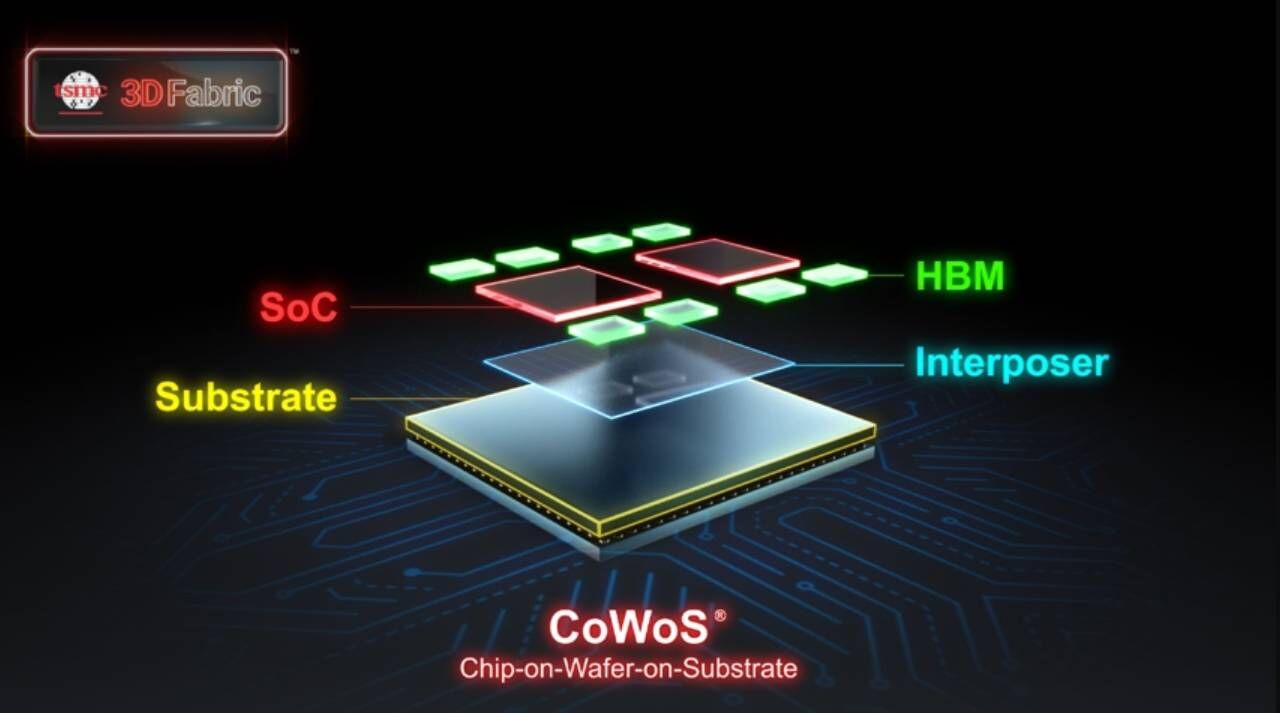
Multibeam Corporation will receive up to $140 million for advanced packaging technology supporting high-density heterogeneous integration. The project will enable multiple chips to be assembled and stacked with thousands of interconnections, supporting more complex multi-chip AI and computing systems.
Extropic will receive up to $75 million to develop thermodynamic sampling units. These devices use natural thermal fluctuations to solve probabilistic problems in simulation, optimization and AI while targeting substantially lower energy consumption than conventional computing approaches.
Thintronics will receive up to $50 million to develop ultra-low-loss inter-layer dielectric materials. The materials are intended for next-generation semiconductor interconnects and advanced packaging used in high-performance computing, AI and networking infrastructure.
OBSIDIA Semiconductors will receive up to $34 million to develop non-invasive systems for identifying counterfeit or malicious semiconductor components. The technology will support component provenance and traceability across secure AI and advanced-electronics supply chains.
Aeluma will receive up to $30 million to develop large-diameter substrate technology that does not rely on indium phosphide. The substrates will be used to manufacture photodetectors and lasers for photonic interconnects in AI systems.
Together, the seven projects address different constraints across the AI compute supply chain. GlobalFoundries and Aeluma focus on optical connectivity, Kepler addresses memory architecture, Multibeam and Thintronics target packaging and interconnects, Extropic develops a lower-power computing approach, and OBSIDIA focuses on component security.
The Commerce Department will receive a minority, non-controlling equity stake in each company as a condition of the final awards. The department said the equity arrangement is intended to increase the potential return to U.S. taxpayers without giving the government operational control of the companies.





All Comments (0)