
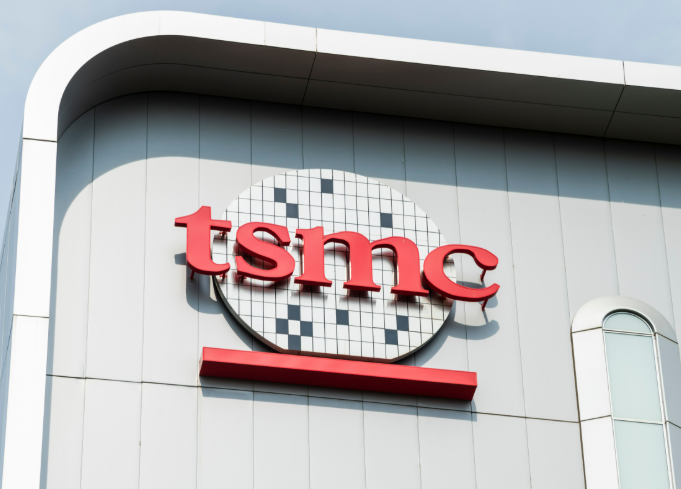

August 4, 2026 / SemiMedia / — Taiwan Semiconductor Manufacturing Company said its first Japan Advanced Semiconductor Manufacturing fab in Kumamoto has returned to normal production following a temporary interruption caused by the July 28 earthquake.
JASM evacuated employees immediately after the earthquake and subsequently confirmed that all personnel were safe.
Structural inspections found no safety problems with the fab buildings. Water, electricity and other facility safety systems also continued to operate normally.
Although no serious structural damage was identified, semiconductor manufacturing equipment requires detailed inspection after strong ground movement.
Lithography, deposition, etching and metrology systems can be affected by small changes in alignment, positioning or calibration even when the surrounding building remains intact.
JASM therefore inspected and recalibrated manufacturing equipment before gradually restarting production. The required work was completed and the fab returned to its pre-earthquake production level by August 3.
TSMC has not disclosed the number of wafers affected, the value of any work-in-process losses or whether customer deliveries were delayed.
There is currently no indication that the earthquake caused permanent production-capacity damage at the JASM site.
The earthquake occurred at approximately 4:27 p.m. local time on July 28, with its epicenter in the Kumamoto region.
The preliminary magnitude was 7.1 and the hypocenter was approximately 10 kilometers deep.
Uki and Hikawa recorded the maximum Japanese seismic intensity of 7, while Kikuyo, where the JASM fab is located, recorded an upper-5 intensity.
Japan’s seismic-intensity scale measures the strength of ground motion experienced at a particular location. It is different from earthquake magnitude, which represents the energy released by the earthquake.
Construction work at JASM’s second Kumamoto fab was not directly affected. Some activity was temporarily suspended because of the risk of aftershocks but resumed after safety checks were completed.
TSMC also announced a donation of 250 million yen to support recovery and reconstruction in areas affected by the earthquake.
The TSMC Charity Foundation has started an employee fundraising campaign to provide additional assistance to affected communities.
The company thanked its employees, suppliers and local authorities for their coordination following the earthquake, saying their efforts allowed the JASM site to recover quickly.
JASM’s first Kumamoto fab began volume production at the end of 2024. It has planned capacity of approximately 55,000 12-inch wafers per month using 22/28nm and 12/16nm process technologies.
The fab supports logic devices for automotive, industrial, consumer and image-sensor-related applications.
JASM’s shareholders include TSMC, Sony Semiconductor Solutions, Denso and Toyota, making the fab an important part of Japan’s strategy to localize automotive and image-sensor semiconductor supply.
The first Kumamoto fab represents a relatively small portion of TSMC’s worldwide manufacturing capacity and does not produce the company’s most advanced process nodes used for leading AI processors.
The short duration of the interruption is therefore unlikely to have a material effect on TSMC’s overall production or financial performance.
However, mature and specialty-process capacity is commonly qualified for specific customer products. Even a short interruption can affect individual wafer-start schedules, work-in-process movement and delivery timing.
The final product-level impact will depend on the manufacturing stage of affected wafers, inspection results and the speed at which delayed production can be recovered.
JASM’s return to normal production within less than one week has reduced the risk of an extended supply disruption for automotive, industrial and image-sensor-related logic chips.







All Comments (0)