

June 18, 2026 /SemiMedia/ — Apple Chief Executive Officer Tim Cook said the company may raise product prices to offset rising memory and storage chip costs, signaling that AI-driven demand is increasingly affecting consumer electronics supply chains.
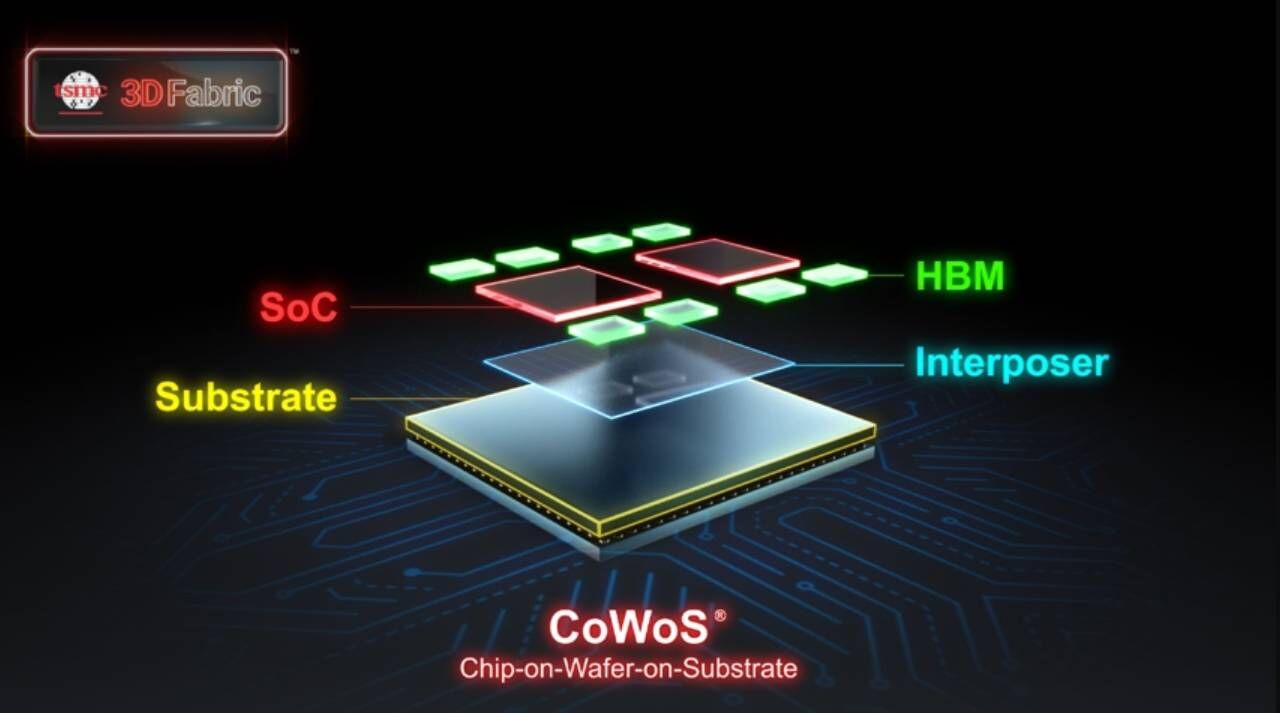
Demand from AI data centers has tightened the global memory market as more DRAM capacity is directed toward high-bandwidth memory and server memory products. Consumer electronics companies are now competing for a smaller pool of available supply, pushing procurement costs higher.
Cook said price increases have become difficult to avoid. Apple has been trying to absorb part of the cost pressure and shield customers from higher prices, but he said the situation is becoming harder to sustain as memory and storage costs continue rising.
He did not say when prices could increase, how large the adjustment might be or which products would be affected. However, devices such as iPhones, Macs, iPads and other Apple products using DRAM and NAND Flash could be exposed to higher component costs.
Cook said DRAM is a particular concern because more memory supply is being allocated to high-bandwidth memory used in AI servers, leaving less capacity available for consumer devices.
“Memory supply is declining at a time when consumers need devices, while memory suppliers are passing through significant price increases,” Cook said. He added that restoring reasonable pricing and supply for consumer-grade memory is critical.
Earlier this month, groups representing automakers, retailers, electronics companies and other industries warned that rising memory chip demand could significantly increase U.S. consumer goods prices and disrupt supply chains.
For Apple, higher memory and storage costs could pressure hardware margins. The company’s products often rely on higher-capacity memory and storage configurations, making DRAM and NAND Flash pricing an important factor in total bill-of-materials cost.
Cook also suggested Apple may use its balance sheet to help improve memory supply, though he did not provide details. He said the company is willing to use its financial resources to contribute to a solution, while clarifying that Apple does not plan to build its own memory or storage chip factories.




All Comments (0)