

September 23, 2026 / SemiMedia / — Apple is continuing development of its internally designed AI server chip, code-named Baltra, with Broadcom contributing key networking and interconnect technology as Apple seeks greater control over the computing infrastructure behind Apple Intelligence and Private Cloud Compute.
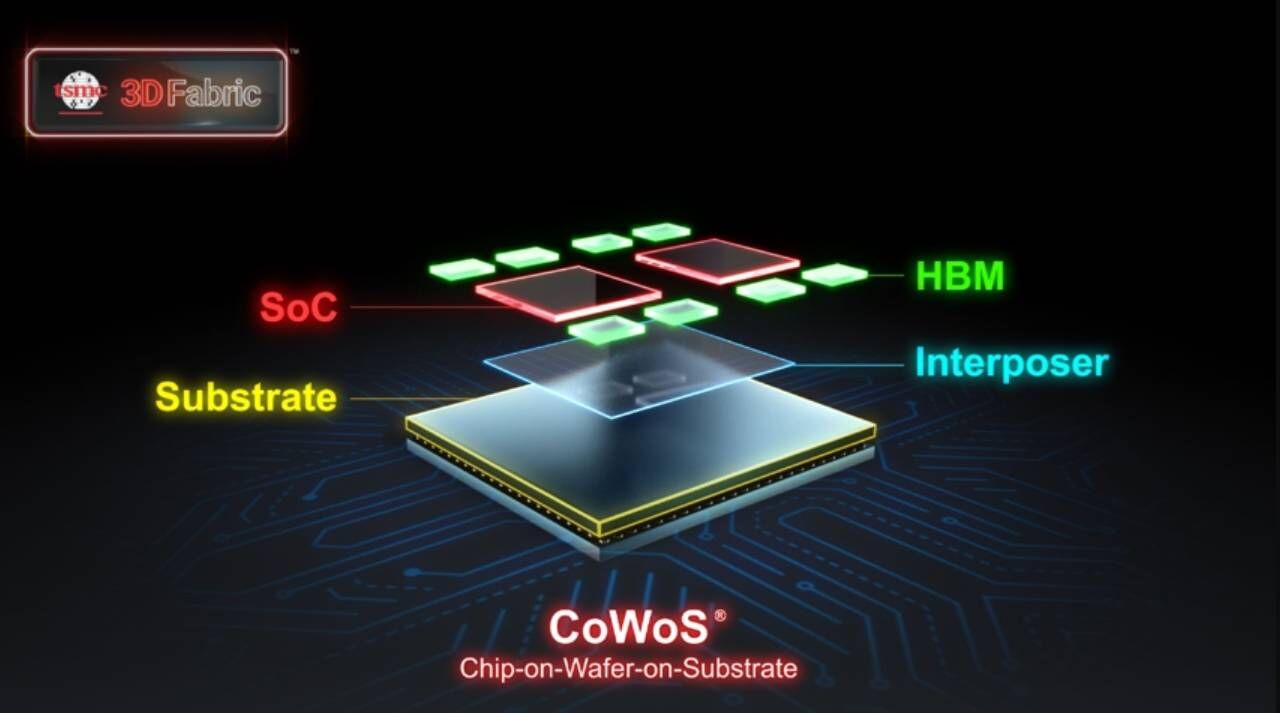
Baltra was first reported in late 2024 as Apple's first server processor designed specifically for AI workloads, with mass production initially targeted for 2026. Subsequent supply-chain reports indicated that the chip could use TSMC's 3nm N3E process and a chiplet-based architecture, while Apple has also evaluated advanced glass substrates supplied by Samsung Electro-Mechanics for future AI chip packaging.
That original schedule has since slipped. The Information reported in July that Baltra had been expected to ship in 2026 but had been delayed. Apple currently handles some AI workloads on its own server hardware, while more demanding workloads still rely on external infrastructure, including NVIDIA hardware accessed through Google Cloud.
Apple's broader relationship with Broadcom has also expanded. In July, Apple announced a new multiyear commitment with Broadcom running through 2031 and expected to exceed $30 billion. The agreement covers custom silicon and advanced wireless connectivity technologies and is expected to result in more than 15 billion chips being produced in the United States. Apple has not disclosed how much of the agreement is directly related to its AI server chip program.
Broadcom has become an important custom silicon partner for major AI infrastructure operators, with its technology used across custom accelerator and networking programs. Its role in Baltra focuses on the high-speed communications required to connect processors efficiently inside AI systems.
For Apple, developing dedicated server silicon could reduce its reliance on external AI accelerators while giving the company tighter control over power efficiency, security and infrastructure costs for cloud-based Apple Intelligence services.
Apple's data center roadmap, however, continues to evolve. A separate September report said the company is also evaluating future AI servers based on M8 Ultra processors and could use NVIDIA's NVLink Fusion technology for high-speed interconnects, with such systems tentatively targeted around 2029. How those systems will relate to Baltra has not yet been disclosed.
As Google, Amazon, Microsoft, Meta and other major technology companies expand their own custom AI silicon programs, Apple is also moving deeper into data center computing. The timing of Baltra's eventual production and the scope of Broadcom's role will remain key indicators of how quickly Apple can build a more self-controlled AI infrastructure stack.





All Comments (0)