

October 7, 2026 / SemiMedia / — TSMC could raise prices for its most advanced wafer processes, including 2nm, by another 6% to 8% in the first quarter of 2027 as manufacturing, electricity and overseas expansion costs continue to increase, according to semiconductor supply-chain reports.
The company has already been reported to be renegotiating 2027 foundry pricing with customers, with increases varying by process technology and customer agreement and reaching as much as around 10% in some cases. TSMC has not confirmed specific pricing changes.
The potential increase comes as demand for 2nm capacity continues to strengthen. Customers including Apple, NVIDIA, AMD, Qualcomm and MediaTek have reportedly increased orders for TSMC's 2nm process family by around 10% to 20%. Monthly 2nm capacity could reach approximately 120,000 wafers by the end of 2026, above earlier market expectations.
TSMC is expanding 2nm manufacturing across its Hsinchu and Kaohsiung sites and has projected roughly 70% compound annual growth in 2nm capacity from 2026 through 2028. AI accelerators, high-end mobile processors and high-performance computing chips are among the main drivers of the capacity ramp.
Higher advanced-node pricing could also encourage some chip designers to evaluate additional foundry sources. Samsung Foundry is developing its second-generation SF2P 2nm process and could gain opportunities if it demonstrates competitive yields, performance and stable volume production.
TSMC, however, remains the dominant supplier of leading-edge foundry capacity. Any shift in customer orders will depend on more than wafer pricing, including yield, performance, power efficiency, design ecosystem, advanced packaging and the ability to provide stable high-volume supply.
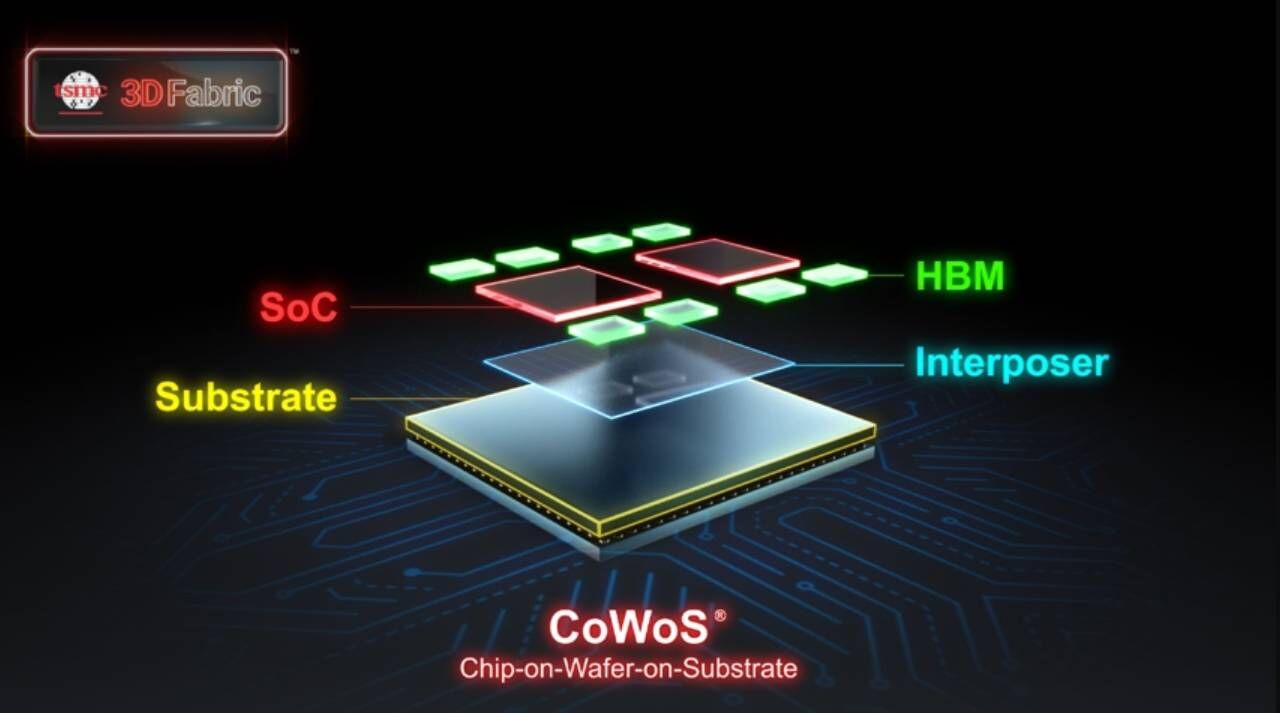
As 2nm production expands, higher wafer costs could add further pressure across the premium semiconductor supply chain. At the same time, rising output of AI accelerators and other advanced processors is expected to increase demand for HBM and advanced packaging, keeping capital investment and supply-chain costs elevated into 2027.


All Comments (0)