
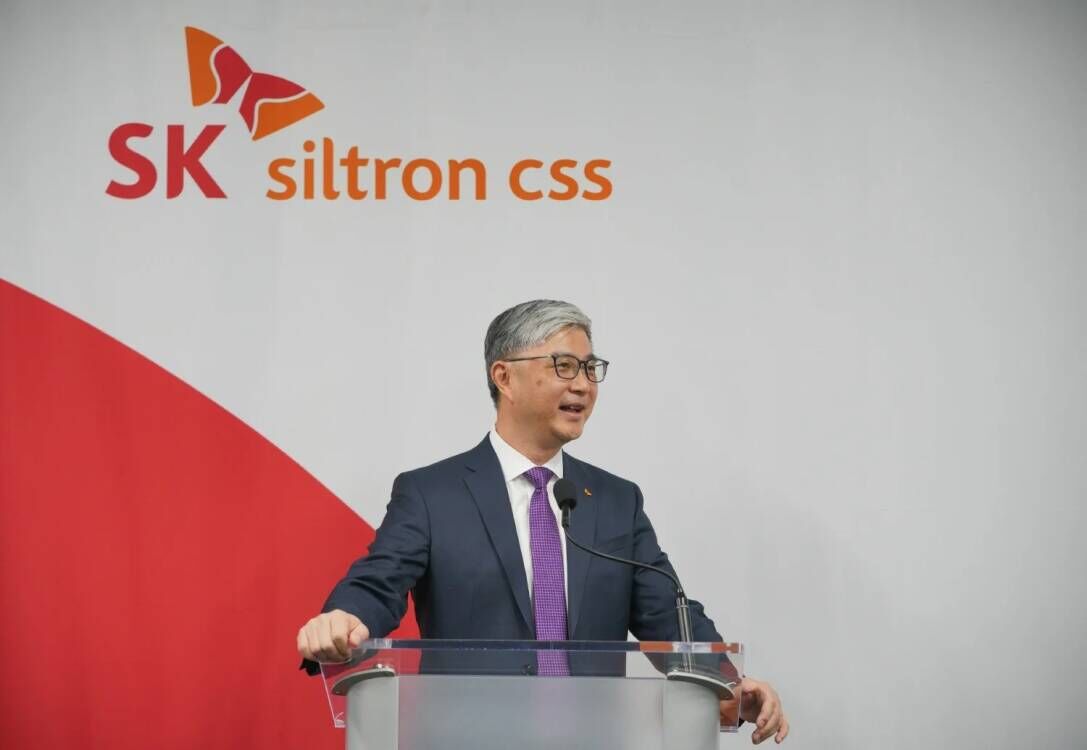

June 5, 2026 /SemiMedia/ — SK Group is reportedly reassessing the planned sale of SK Siltron as the AI-driven semiconductor upcycle increases the strategic value of silicon wafer supply within the group’s chip business.
The group selected Doosan Semiconductor as the preferred bidder for SK Siltron at the end of 2025 and had continued negotiations for the sale. However, industry observers said the process has slowed as SK considers whether selling the wafer maker still fits its long-term semiconductor strategy.
SK Siltron is one of the world’s major silicon wafer manufacturers and supplies a key upstream material for semiconductor production. Its importance has grown as SK hynix expands its role in high-bandwidth memory and other AI-related memory products.
SK Group had pursued the sale partly to improve its financial structure. But as demand for AI semiconductors grows, some within the group are questioning whether divesting a core wafer asset could weaken its control over the semiconductor value chain.
The proposed transaction covers a 70.6% stake in SK Siltron, including a 51% stake held directly by SK Inc. and a 19.6% stake linked to total return swap contracts. Doosan was selected as the preferred bidder in December, and the market had expected a final agreement around late May before the timeline was delayed.
Industry sources said the delay reflects broader debate within SK Group over how to maximize strategic synergies from SK Siltron rather than simply dispose of the asset.
SK Group Chairman Chey Tae-won has recently emphasized a “speed battle” in semiconductors, including plans to double wafer capacity over the next five years. His comments have reinforced market views that SK Siltron may remain important to the group’s AI-focused restructuring.
SK has been building an AI-related value chain spanning semiconductors, data centers and energy infrastructure. Selling SK Siltron at this stage could conflict with that strategy, particularly as stable wafer supply becomes more important for memory capacity expansion.
SK hynix is a major beneficiary of AI server demand and a leading supplier of HBM. As the company expands production, securing upstream materials such as silicon wafers is becoming more strategically important.
Valuation is another factor. SK Siltron had previously been valued at around 5 trillion won, but the broader semiconductor rebound could lead SK Group to reassess the company’s future value.
The ownership structure may also complicate the transaction. Chey personally holds a 29.4% stake in SK Siltron, while Doosan’s current negotiations cover the 70.6% stake tied to SK Group. If Doosan seeks full ownership, it would need to negotiate separately for Chey’s stake.


All Comments (0)