

July 6, 2026 /SemiMedia/ — Industry sources said Samsung Foundry is in talks with Meta Platforms over a potential 10 trillion won contract to mass produce Meta’s third-generation Meta Training and Inference Accelerator.
The deal, valued at about $6.54 billion, would cover production of Meta’s next-generation AI ASIC for training and inference workloads.
Meta’s first- and second-generation MTIA chips were manufactured by TSMC. The new negotiations indicate that Meta is working with Samsung Foundry on the design and manufacturing of its next-generation custom AI accelerator.
Supply chain sources said the third-generation MTIA is planned to use Samsung’s leading 2nm process and could be produced at a scale of several hundred thousand units. The chip is expected to support Meta’s internal AI infrastructure, including model training, inference, recommendation systems and generative AI services.
MTIA is a key part of Meta’s custom AI chip strategy. As large technology companies continue expanding AI infrastructure, more cloud service providers are developing in-house ASICs to reduce dependence on general-purpose GPUs and optimize performance, power consumption and cost for their own workloads.
Although Meta has internal AI chip design capabilities, industry sources said the company has also built a cooperation framework with Samsung Electronics’ System LSI business. One reason is the extremely fast development cycle for new AI chips, with six-month iterations creating a heavy burden for internal teams.
For Samsung, the potential order would be strategically important. Samsung Foundry has been working to close the gap with TSMC in advanced process technologies and AI chip customers. Securing Meta’s third-generation MTIA order would help validate Samsung’s 2nm process for large-scale AI ASIC production.
Industry sources said Samsung Electronics is increasingly positioning itself as a manufacturing partner for custom AI chips from global technology companies. In addition to Meta, the market is watching Samsung’s potential cooperation with customers such as Tesla and Anthropic in AI ASICs and advanced nodes.
Samsung’s long-term order backlog from such projects could approach 50 trillion won, according to industry estimates.
The potential deal also reflects a broader push by major technology companies to diversify foundry supply chains. As demand for AI accelerators rises, advanced-node capacity, packaging capability and long-term supply stability are becoming more important.
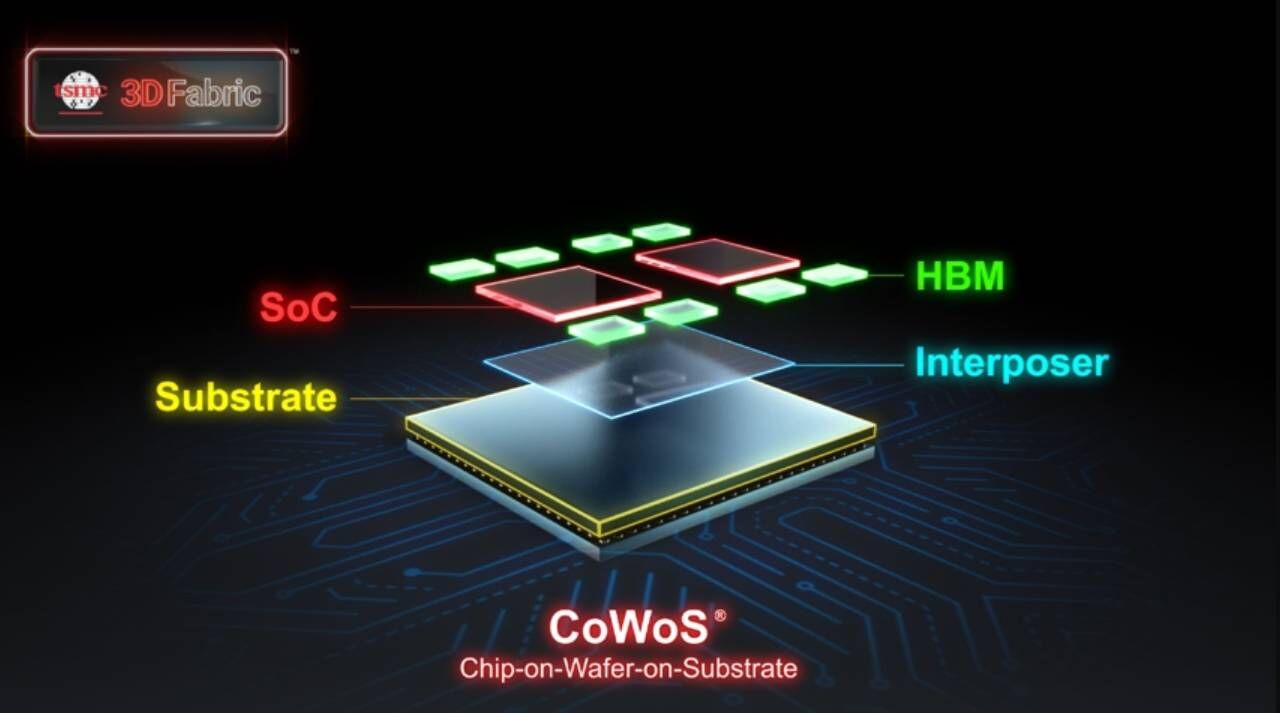
Beyond TSMC, Samsung is seeking to win more AI ASIC orders through its 2nm GAA process, advanced packaging capabilities and system-level design support.



All Comments (0)