
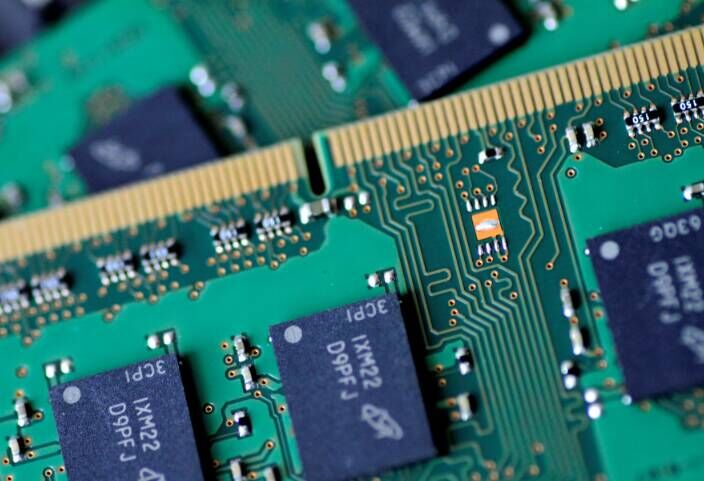

June 30, 2026 /SemiMedia/ — Lenovo warned at the ISC 2026 supercomputing conference that memory and storage shortages may not ease quickly, suggesting that DRAM, NAND Flash and related component prices are unlikely to return to the unusually low levels seen in early 2025.
In its presentation, Lenovo said memory prices “are not going back to last year” and framed the market shift under a “RAM apocalypse survival guide.” The company said early-2025 memory pricing was abnormally low and that customers should adjust procurement and system planning for a different supply environment.
Lenovo said the economics of the memory industry have fundamentally changed. Even if significant new capacity begins coming online around 2028, AI infrastructure demand is expected to absorb a large portion of that supply, making it difficult for DRAM and NAND prices to return to the lows seen over the past two years.
The company also pointed to SK hynix’s plan to triple memory capacity by 2034. Lenovo said such a large expansion would be unlikely if memory makers expected the market to return to the low-margin and oversupplied conditions seen in early 2025.
Server procurement is also being reshaped by higher memory costs. In previous platform cycles, vendors often emphasized the maximum memory capacity supported by new systems. Today, however, fully populating DIMM slots has become significantly more expensive.
Next-generation dual-socket servers expected next year may feature 16 memory channels per processor. Even relatively basic configurations could require around 1TB of memory to make effective use of available bandwidth.
Micron has previously said memory supply tightness is likely to persist at least into 2027 and may not begin improving until 2028. SK hynix has also warned that shortages could last until around 2030 as AI infrastructure continues to absorb wafer capacity. Micron has signed roughly $100 billion in multi-year supply agreements with customers, showing that large cloud providers are moving early to secure long-term memory supply.
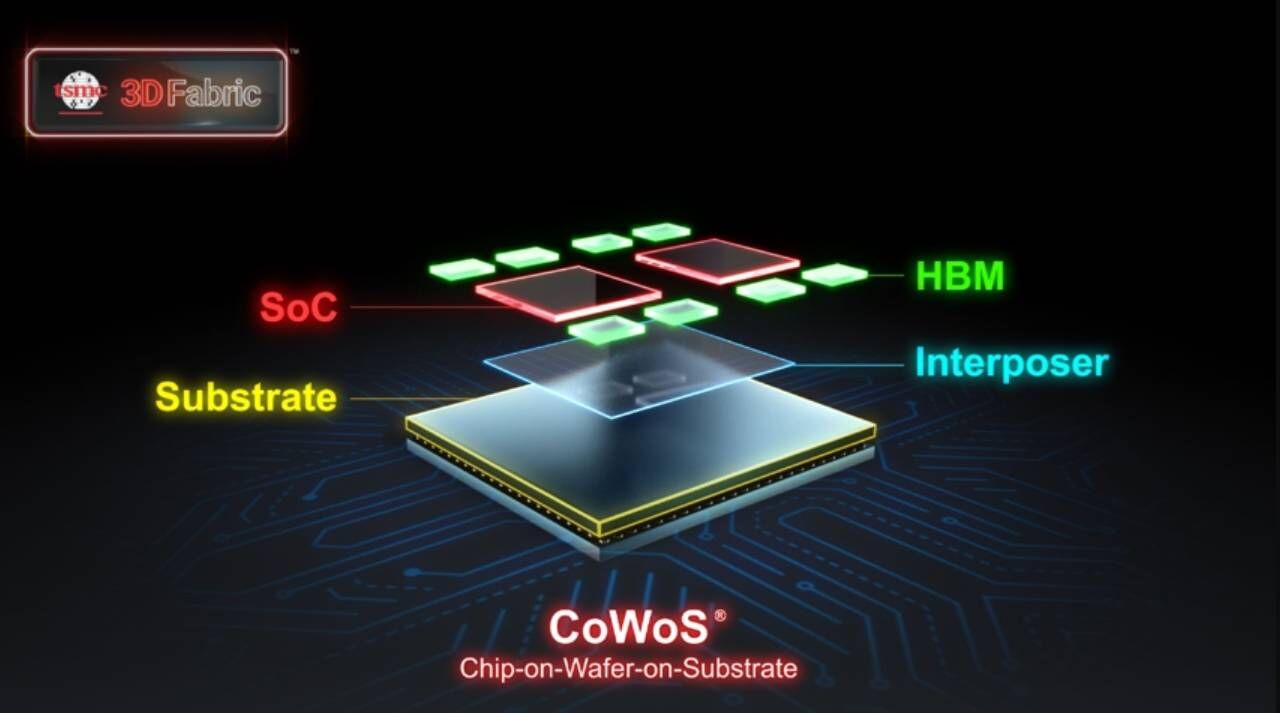
Rising system memory prices are also changing the economics of HBM relative to standard DDR5 and LPDDR5. DRAM suppliers are shifting more capacity toward higher-margin HBM for AI accelerators, further tightening supply of conventional system memory.
HBM has not become inexpensive, but the relative gap is narrowing as traditional system memory prices rise. Lenovo said this could make GPU-accelerated computing more economical for certain workloads.
If applications can keep large working datasets inside GPU-attached HBM, the amount of host DDR5 memory required may be reduced. As system DRAM becomes a larger share of total server cost, lowering main memory requirements could significantly reduce large-scale infrastructure deployment costs.



All Comments (0)