


August 13, 2026 / SemiMedia / — Intel is exploring new memory architectures and ways to combine CPUs with stacked memory as artificial intelligence changes the role of memory in computing systems.
Intel CEO Lip-Bu Tan discussed the work during a recent episode of the TechSurge podcast. He said memory was historically treated as a commodity business, making it less attractive for investment, but AI has created new demand for bandwidth, capacity and energy efficiency.
The work does not currently point to a conventional restart of Intel’s DRAM manufacturing business. Intel is examining closer integration between processors, memory and advanced packaging to reduce the movement of data within AI systems.
This approach could help address the memory wall, where processor performance is increasingly limited by the speed and power required to transfer data between compute and memory.
Tan also referred to Intel’s recent appointment of former SK hynix CEO Seok-Hee Lee. Lee joined the company in June 2026 as executive vice president of Intel Foundry, with responsibility for advanced packaging, system integration, back-end technology development and back-end manufacturing.
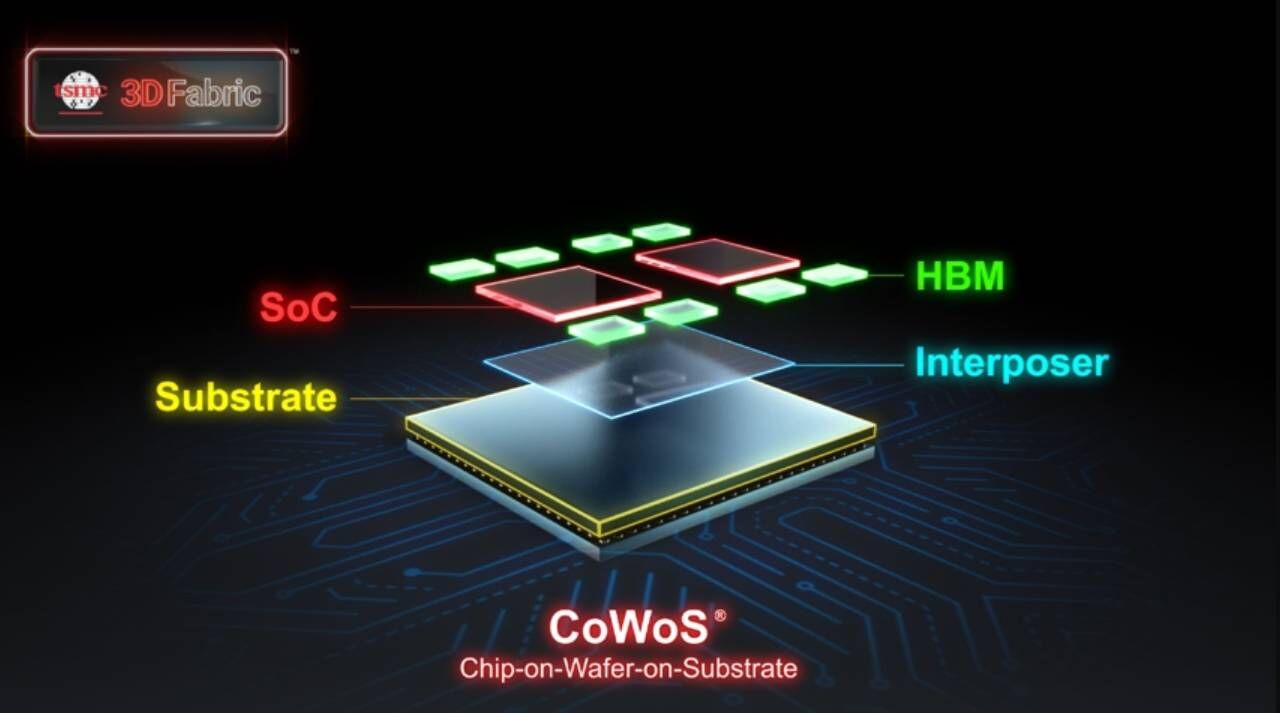
Several Intel projects already reflect this focus. A recently published patent application describes Cross-Batch Memory, or XBM, an architecture that uses a different DRAM structure and chiplet interconnect approach to reduce reliance on the silicon interposers used in conventional HBM systems.
Intel is also working with SoftBank subsidiary SAIMEMORY on Z-Angle Memory. The stacked-DRAM technology targets higher capacity and bandwidth with lower latency and power consumption for AI and high-performance computing.
Memory has deep roots at Intel. The company produced early products including the 3101 SRAM and 1103 DRAM before shifting its main business toward microprocessors. Intel later developed 3D XPoint and Optane products with Micron, but discontinued the Optane business in 2022.
Its latest work is centered on integrating compute, memory and packaging rather than selling standalone commodity memory chips. Intel can combine these projects with its CPU portfolio, Foveros and EMIB packaging technologies, and Intel Foundry’s back-end manufacturing operations.
Tan said Intel is not ready to disclose details of the new memory project. The company has not announced a DRAM product or production roadmap, leaving the initiative at the research and planning stage.






All Comments (0)