

August 13, 2026 / SemiMedia / — Omdia has raised its forecast for global semiconductor revenue growth in 2026 to 94.1% year over year, citing exceptional growth in DRAM and NAND as AI demand continues to exceed available supply.
Memory ICs are now expected to generate more than half of total semiconductor revenue during the year. Higher demand from AI data centers and rising memory prices are both contributing to the increase.
Omdia expects supply bottlenecks in high-bandwidth memory, advanced packaging and leading-edge process nodes to continue through at least 2027.
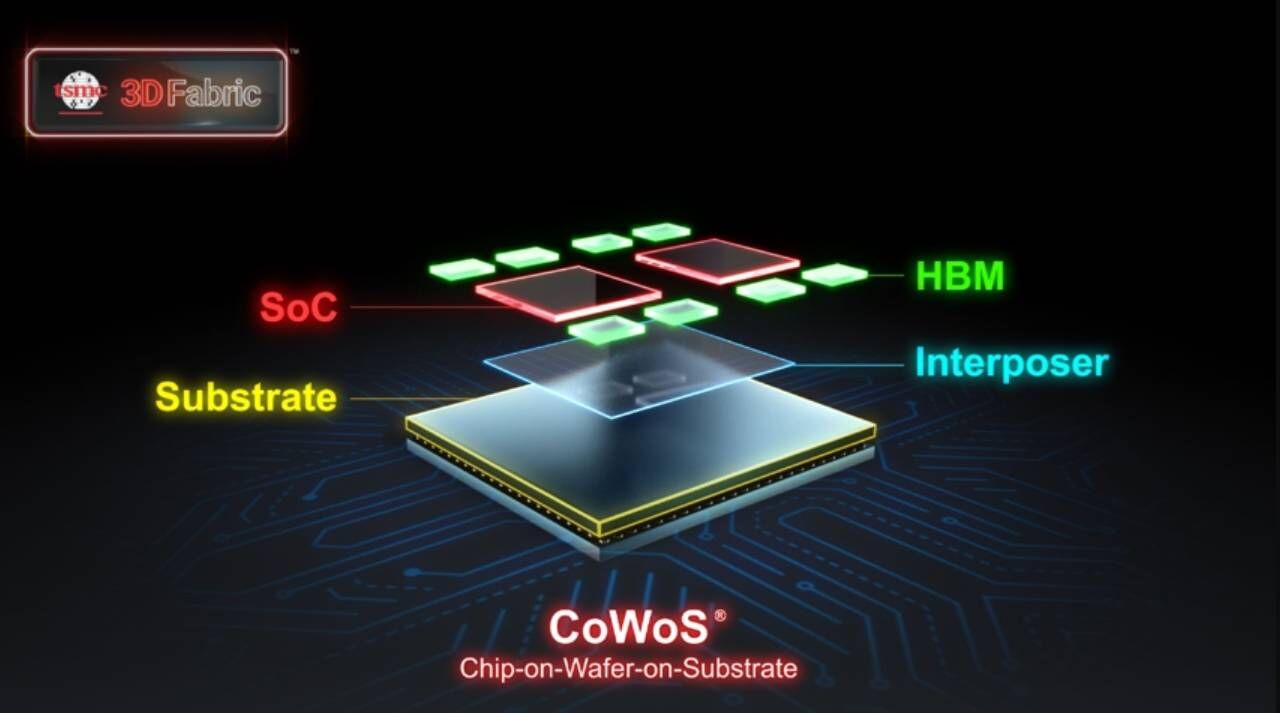
HBM remains particularly constrained because it is more difficult to manufacture and package than standard DRAM. SK hynix, Samsung Electronics and Micron are the only suppliers currently producing HBM at scale, while AI accelerators from NVIDIA, AMD, Intel and Google are increasing demand for available output.
Advanced packaging capacity is also operating under heavy pressure. Dedicated TSMC production lines remain highly utilized, and long lead times for specialized equipment are limiting the speed of capacity expansion.
Demand for advanced process technologies presents another constraint. Much of TSMC’s 2 nm and 3 nm capacity has been booked by customers developing AI processors and other high-performance chips.
Memory manufacturers are allocating more production to HBM and other high-margin products. This is increasing price and lead-time volatility for standard DRAM and NAND used in smartphones, PCs, consumer electronics, automotive systems and industrial equipment.
Computing and data storage will record the fastest semiconductor revenue growth among major application markets. Omdia expects revenue from the segment to rise by more than 150% in 2026 and approach $1 trillion, supported by data-center servers, memory-intensive systems and higher memory IC prices.
Consumer electronics and wireless applications are also expected to generate relatively strong semiconductor revenue growth. Smartphone prices began rising in the fourth quarter of 2025 and have continued to increase, particularly in the premium segment.
Higher margins allow flagship smartphone vendors to absorb memory cost increases more easily. Omdia expects the narrowing price gap between mid-range and premium models to encourage some consumers to choose higher-end devices.
New foldable smartphones, on-device AI functions and imaging upgrades will also increase semiconductor content per device. Wearables, game consoles and OLED televisions are expected to contribute additional growth.
Omdia forecast 30.7% semiconductor revenue growth for 2026 in an analysis published in January. The latest revision to 94.1% reflects the rapid acceleration in AI infrastructure demand, memory pricing and capacity constraints during the first half of the year.





All Comments (0)