


Samsung consolidates memory R&D operations
December 1, 2025 /SemiMedia/ — Samsung Electronics has launched a major overhaul of its memory-development structure as it pushes to regain momentum in the fast-growing market for advanced memory used in AI systems. The company has created a new Memory Semiconductor Development division within its Device Solutions group to oversee DRAM, NAND and high-bandwidth memory projects under a unified organization.
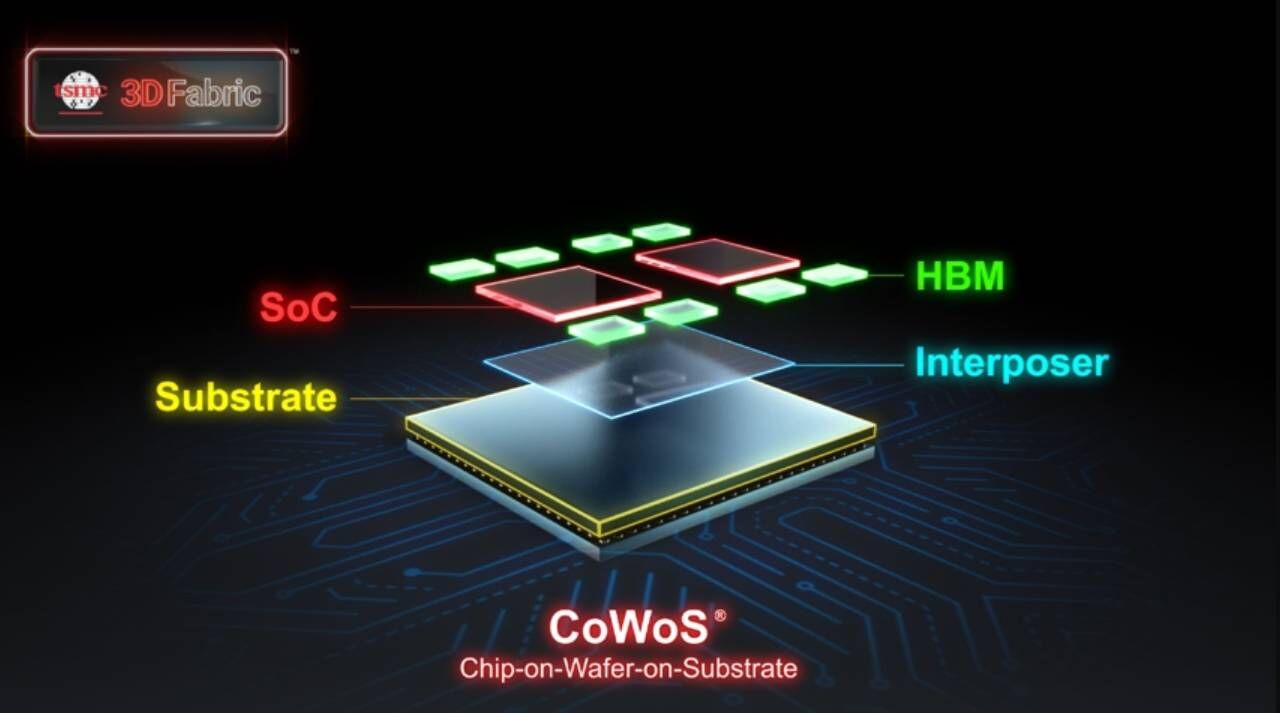
The move consolidates what were previously separate DRAM and flash development teams. By pulling these functions together, Samsung aims to streamline engineering resources and strengthen coordination across process technology, design and packaging — areas that are growing increasingly interdependent as HBM demand accelerates.
Leadership shifts and HBM team realignment
The newly formed division will be led by executive vice president Hwang Sang-jun, who currently heads DRAM development. His expanded mandate includes advancing Samsung’s roadmap for HBM, mainstream DRAM and next-generation NAND while improving overall development efficiency.
As part of the restructuring, Samsung will fold its relatively new HBM development group into the DRAM organization’s design team. The HBM team had been set up in 2024 after SK Hynix widened its lead in the segment. Analysts say the latest realignment signals Samsung’s confidence in its progress toward next-generation HBM products, including the upcoming HBM4 family. Former HBM chief Son Young-soo has been appointed to lead the design team.
Digital twin and AI-driven manufacturing strategy
Samsung is also reinforcing its manufacturing capabilities. The company has opened a Digital Twin Center within its global manufacturing group to simulate production environments and accelerate the transition toward an “AI factory.” Samsung previously announced plans to introduce about 50,000 Nvidia GPUs to support AI-driven semiconductor design and manufacturing operations.
The restructuring underscores Samsung’s efforts to strengthen its position in the memory market as AI workloads reshape demand for high-performance DRAM and HBM solutions.



All Comments (0)