
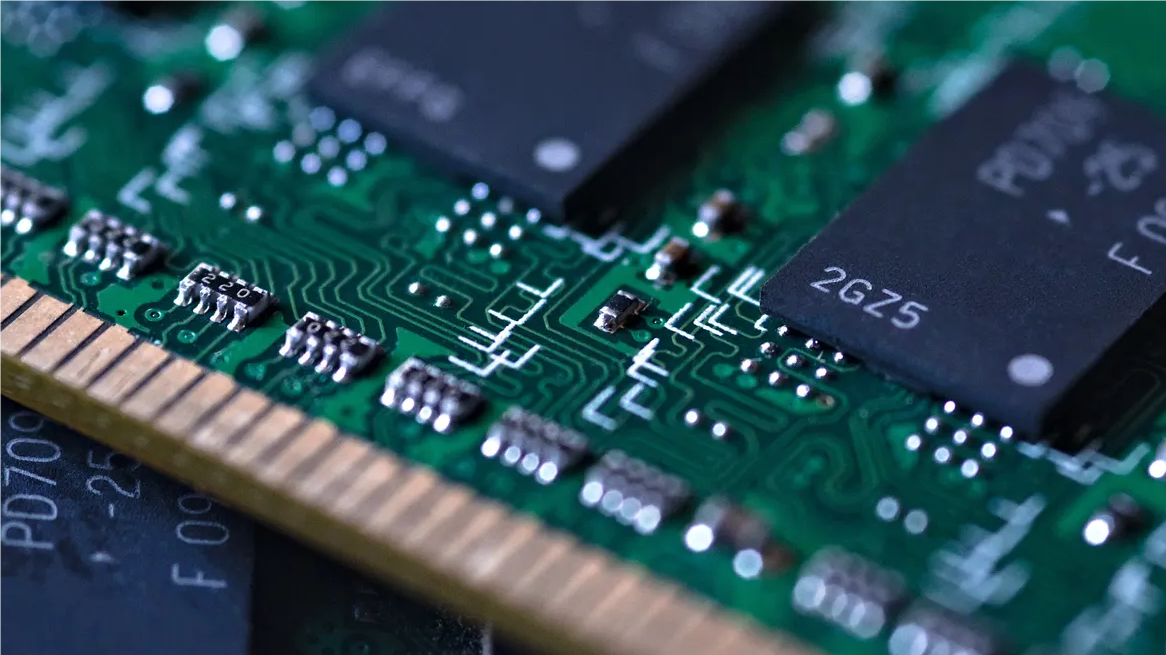

June 10, 2026 /SemiMedia/ — Wall Street analysts expect DRAM and NAND shortages to persist through the end of 2028 as artificial intelligence demand, limited supply growth and long-term supply agreements reshape the global memory chip market.
Cantor Fitzgerald analyst C.J. Muse said in a recent report that the memory industry is reaching an important turning point. While DRAM and NAND have historically been viewed as highly cyclical markets, AI data center expansion and the rise of agentic AI applications are changing the sector’s supply-demand structure.
Muse expects DRAM and NAND markets to remain undersupplied from this year through the end of 2028. He said AI servers, CPU platform upgrades and large-scale data center buildouts are driving stronger demand for both memory and storage, while suppliers cannot quickly add enough capacity to match that growth.
Memory manufacturers have remained cautious on capacity expansion after several previous downturns. As AI-driven demand grows faster than new capacity can come online, major suppliers such as Samsung Electronics, SK hynix and Micron Technology are gaining stronger pricing power.
The increasing use of long-term supply agreements is also changing how memory prices are set. Muse expects about 50% of DRAM and NAND bit output to be sold through long-term contracts by the end of this year. These agreements typically include prepayments and pricing protection mechanisms, improving revenue visibility for suppliers.
That means memory prices may not fall as quickly as they have in previous cycles, even when new capacity eventually becomes available. If suppliers begin each quarter with a large share of capacity already committed under long-term agreements, industry margins and pricing visibility could remain stronger for longer.
Cantor Fitzgerald forecasts global memory industry revenue will reach $1.21 trillion in 2027, including about $850 billion from DRAM and $360 billion from NAND. By 2028, the total market could approach $1.4 trillion.
Based on that outlook, Muse raised his price target for Micron to $1,500, implying about 74% upside from last Friday’s close. He also raised his price target for SanDisk to $2,900, implying about 86% potential upside.
Muse said AI is pushing the memory industry into a new phase and that the current AI-driven memory rally may still be in its middle stage.
Nvidia Chief Executive Officer Jensen Huang recently announced plans to work with SK hynix on memory products for AI factories, further highlighting the scale of high-end memory demand tied to next-generation AI infrastructure.
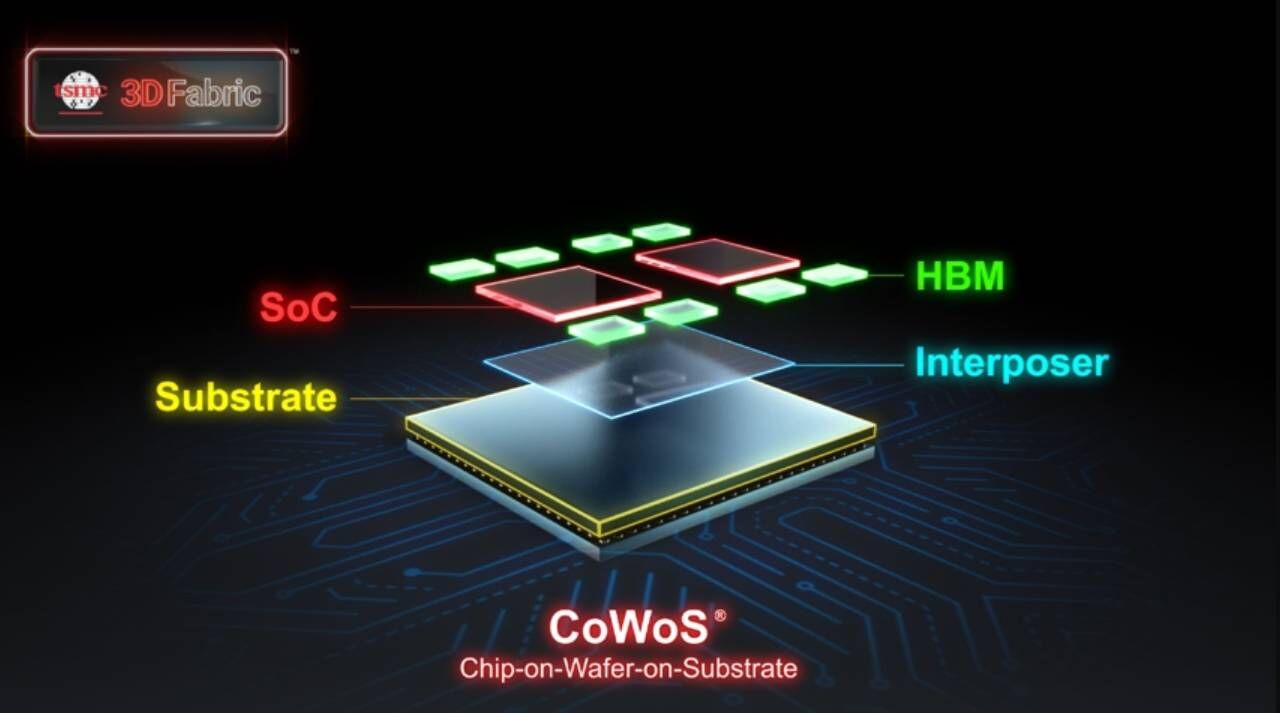
Industry analysts said memory has become a critical factor in AI system performance and supply chain stability as AI servers, GPUs, CPUs and custom AI chips require greater bandwidth and capacity.
If DRAM and NAND shortages last through 2028, the global electronics supply chain could face a longer period of elevated costs. AI data center customers may continue locking in capacity through long-term contracts, while PC, smartphone and consumer electronics manufacturers could face higher procurement costs and reduced supply flexibility.



All Comments (0)