
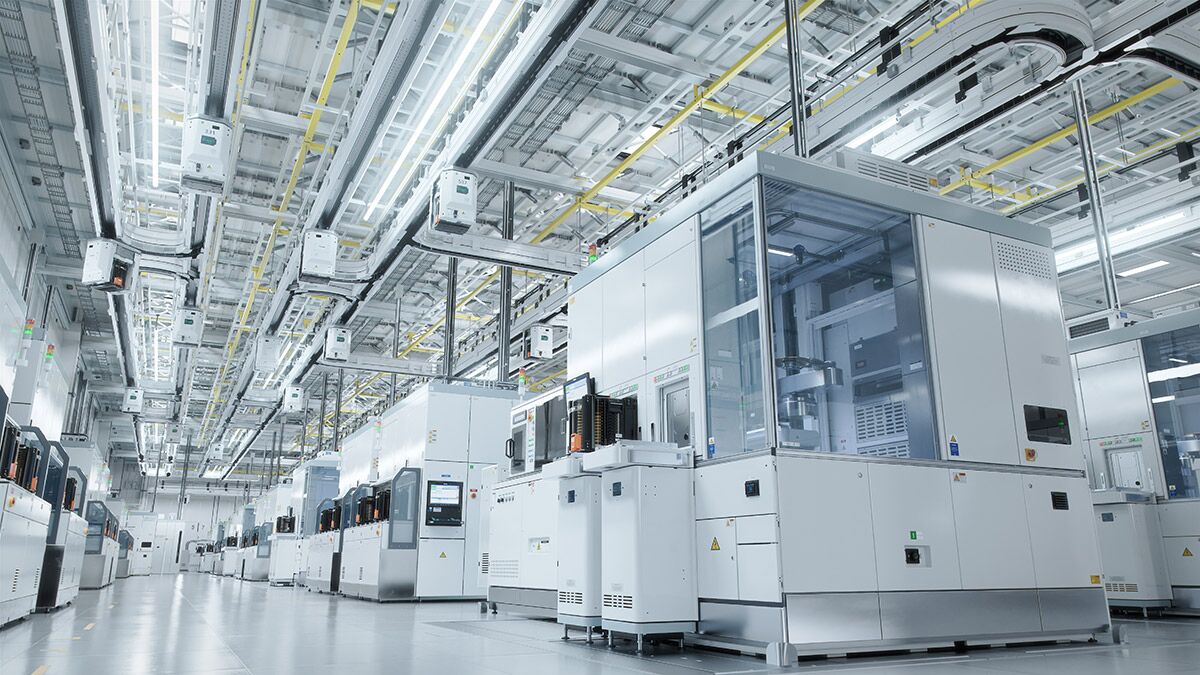

June 11, 2026 /SemiMedia/ — Global semiconductor equipment spending reached a record $36.55 billion in the first quarter of 2026, rising 14% from a year earlier and 1% from the previous quarter, according to the latest data from industry association SEMI.
SEMI said the strong quarterly performance was driven mainly by AI-related investment, including capacity expansion and technology upgrades across global semiconductor fabs. Spending remained strong in advanced logic, DRAM and advanced packaging, underscoring how AI demand is reshaping chip manufacturing priorities.
Demand from AI servers and data centers continues to drive investment in high-performance semiconductors and the manufacturing technologies required to produce them. Advanced logic supports AI accelerators and high-performance computing platforms, while DRAM investment is being supported by rising demand for HBM and high-capacity server memory.
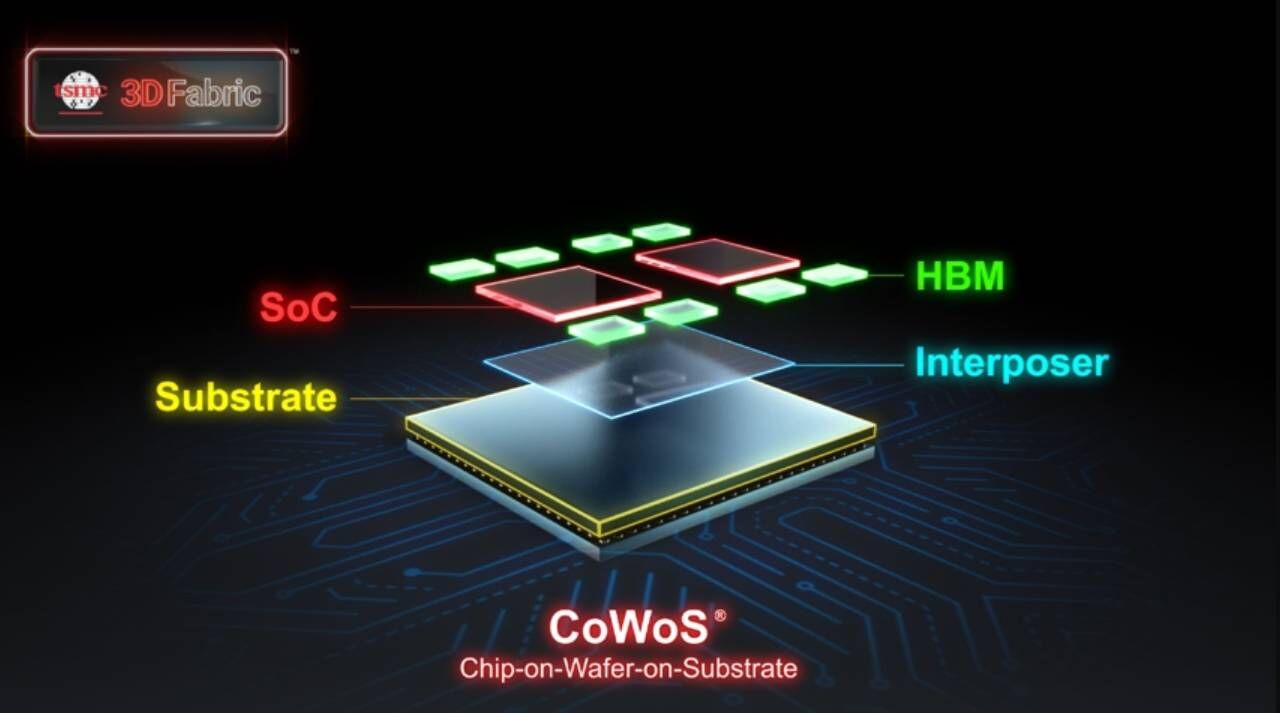
Advanced packaging is also becoming a larger part of semiconductor capital spending. As leading-edge process scaling becomes more difficult and costly, chipmakers are increasingly relying on chiplets, 2.5D packaging and 3D integration to improve system performance and power efficiency.
SEMI President and Chief Executive Officer Ajit Manocha said the strong start to 2026 reflects sustained industry investment in capacity and infrastructure to support AI-driven semiconductor growth. He said record first-quarter spending highlights continued momentum in leading-edge manufacturing and advanced packaging technologies.
Industry analysts said AI is shifting semiconductor capital expenditure from traditional cyclical expansion toward more structural investment in advanced manufacturing capacity. Leading-edge logic, HBM, advanced packaging and data center-related chip production are expected to remain key drivers of equipment demand through 2026.
However, market conditions remain uneven. AI-related manufacturing and packaging investment continues to grow, while some mature-node and consumer electronics-related capacity remains exposed to slower demand recovery.
The outlook for equipment spending in the coming quarters will depend on the pace of AI infrastructure buildout, memory supply conditions and capital expenditure plans from major foundries and integrated device manufacturers.




All Comments (0)