

SEMI expects the global semiconductor market to exceed $1.5 trillion in 2026 and grow beyond $2 trillion by 2030 as investment in artificial intelligence infrastructure continues to accelerate.
Clark Tseng, senior director of market intelligence at SEMI, said semiconductor growth was historically driven by PCs, smartphones and consumer electronics, but AI data centers are now reshaping the industry's growth profile. Demand is increasing for advanced logic, high-bandwidth memory, DRAM, high-layer-count NAND and enterprise SSDs.
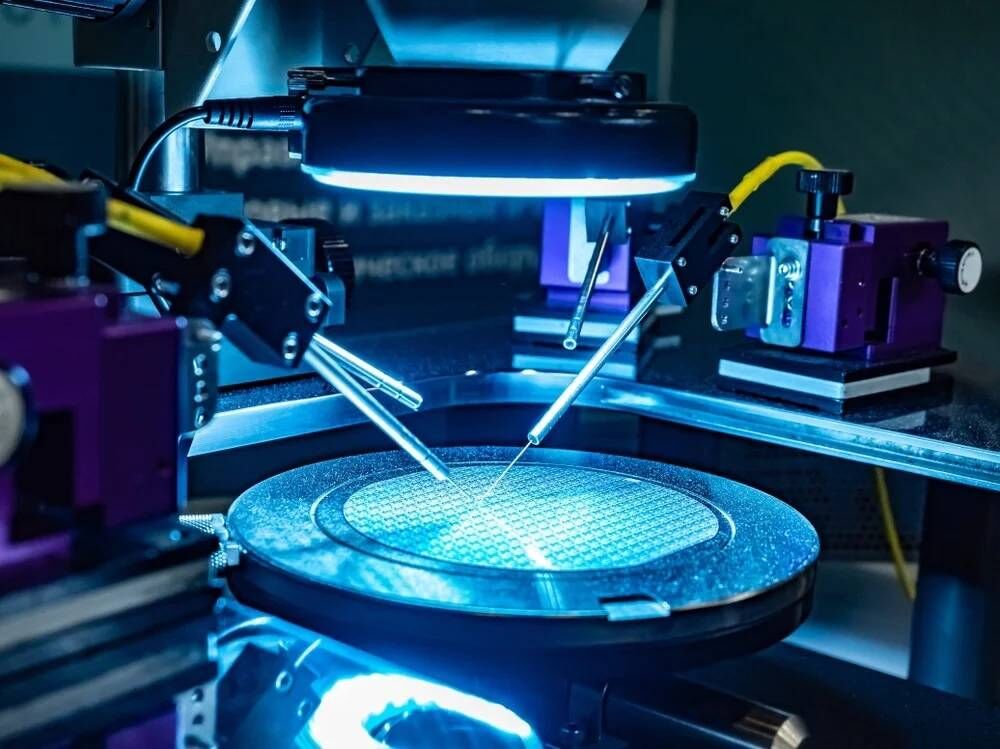
The investment surge is also spreading from chips into semiconductor manufacturing equipment. SEMI now expects the global wafer fab equipment market to grow from $117 billion in 2025 to $220 billion in 2028, up from its previous forecast of $200 billion.
Forecasts for back-end equipment have also been raised. Semiconductor test equipment sales are expected to reach $23.5 billion in 2028, compared with an earlier forecast of $20.8 billion, while packaging equipment is projected to reach $10 billion, up from $8.6 billion.
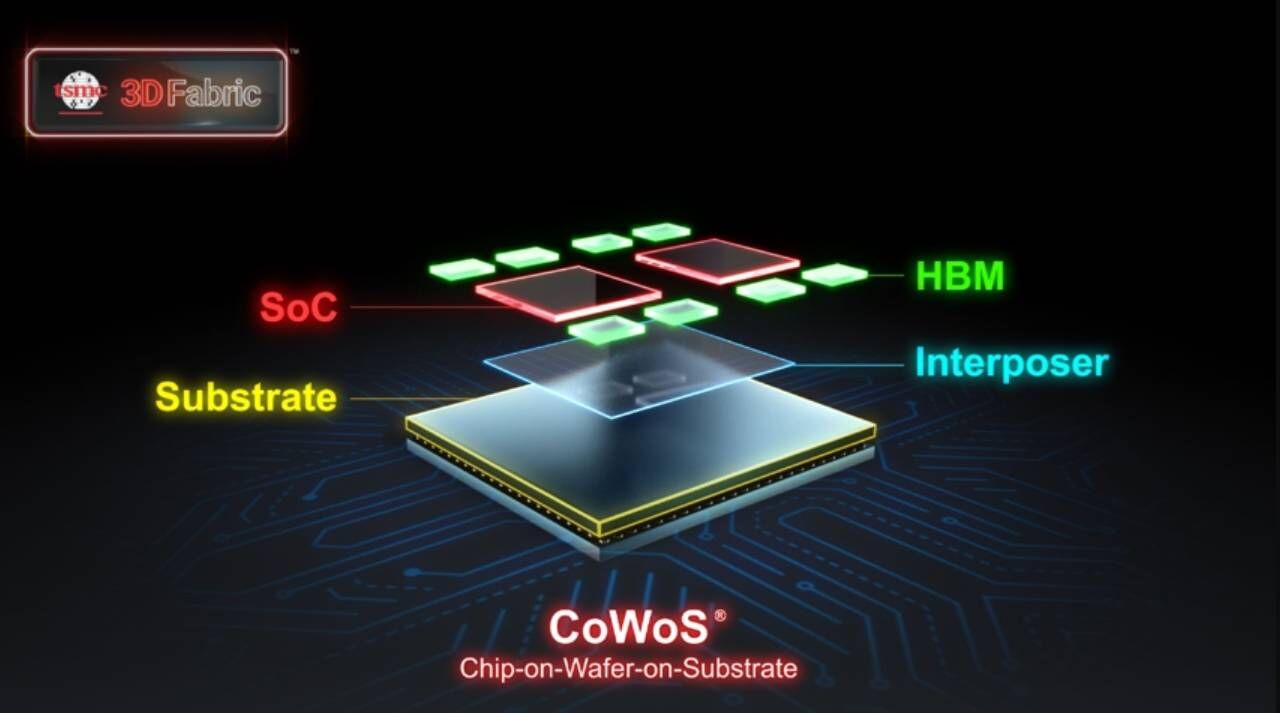
SEMI attributed the stronger outlook to expanding 2 nm and 3 nm capacity, growing HBM investment and increasingly complex testing and packaging requirements.
The semiconductor materials market is also expected to maintain double-digit growth. SEMI forecasts global materials revenue of $83 billion in 2026 and $92 billion in 2027. Taiwan is expected to account for approximately 30% of the market in 2027, equivalent to nearly $28 billion, reflecting its large advanced manufacturing and packaging base.
Tien Wu, chair of the SEMI International Board of Directors and CEO of ASE Technology Holding, also emphasized that Taiwan's semiconductor position has been built through decades of cooperation with global customers and partners, and that continued international collaboration will remain important as AI investment expands.
As AI infrastructure spending continues to rise, semiconductor growth is spreading beyond processors and memory into wafer fabrication, testing, advanced packaging and materials. SEMI's latest forecasts indicate that this broader investment cycle could continue through the end of the decade.


All Comments (0)