
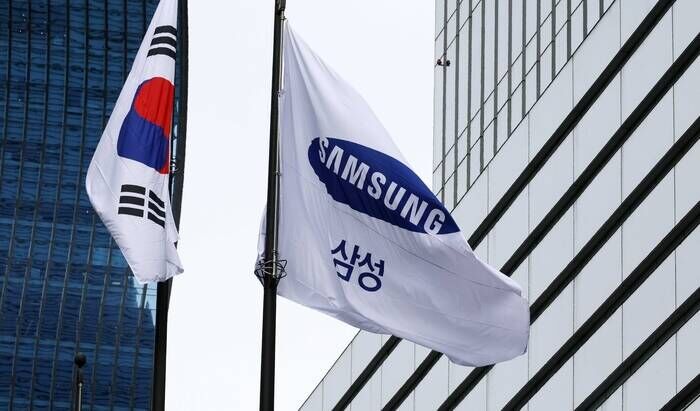

June 26, 2026 /SemiMedia/ — Samsung Group is reportedly preparing to announce a 10-year investment plan worth 1,000 trillion won, or about $648 billion, to support South Korea’s next economic growth cycle.
The plan is expected to cover semiconductors, artificial intelligence data centers, batteries and displays. Local media reported that Samsung Electronics is considering an investment of about 300 trillion won to build a chip manufacturing facility in southwestern South Korea, with Gwangju mentioned as a possible location.
The investment would align with the South Korean government’s effort to turn AI-driven industrial growth into a broader national growth engine. It could also help ease infrastructure bottlenecks, create jobs outside the capital region and expand advanced manufacturing in areas beyond the Seoul metropolitan area.
South Korea’s chip production base has long been concentrated around the capital region, drawing political pressure as policymakers seek more balanced regional development. President Lee Jae-myung has made regional growth a policy priority, increasing attention on where future semiconductor investments will be located.
Lee reportedly met this week with leaders of Samsung and other major companies. The presidential office said the government will announce three major “super projects” next Monday aimed at supporting a new stage of national development.
Policy adviser Kim Yong-beom said the projects will cover semiconductors, AI data centers and robotics, and will be developed jointly by the government and industry. Large-scale investment is expected, though final details have not yet been disclosed.
Samsung’s potential investment comes as AI infrastructure demand continues to reshape the semiconductor industry. Growth in AI training and inference is increasing demand for advanced chips, memory, data centers, power systems and packaging technologies.
However, the plan is also raising questions over wealth distribution as companies such as Samsung Electronics benefit from record profits tied to AI and memory chip demand. Policymakers and industry observers are increasingly debating how such gains should translate into broader economic benefits.
Some experts also question whether southwestern South Korea can quickly overcome talent and infrastructure shortages required for advanced semiconductor manufacturing. Leading-edge fabs require not only large capital investment, but also skilled engineers, stable electricity, clean water, materials suppliers and a mature equipment ecosystem.





All Comments (0)