
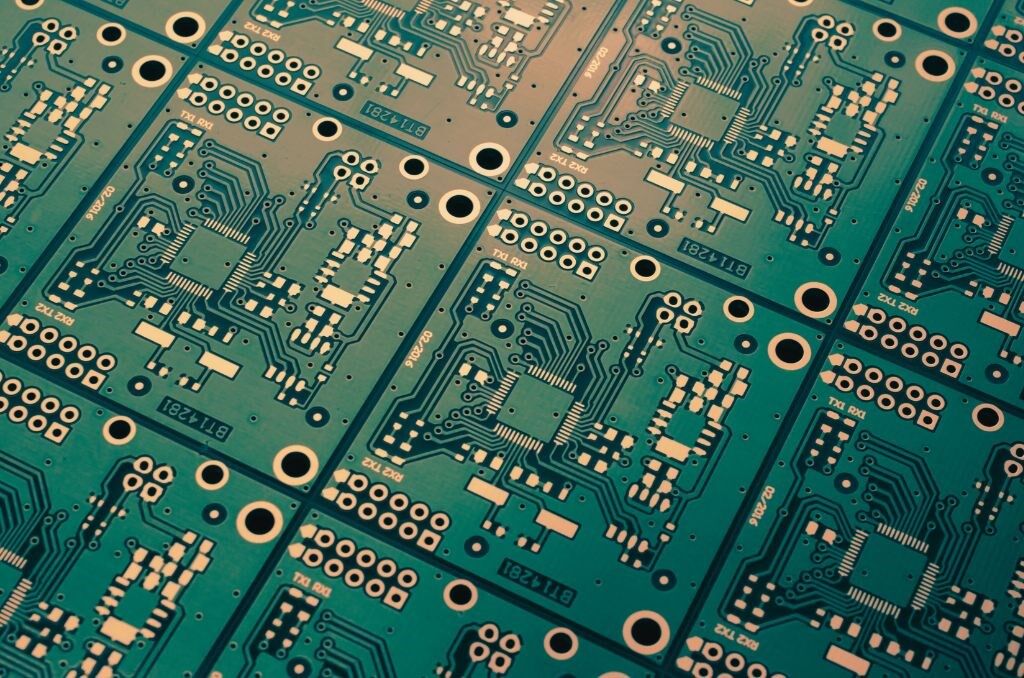

June 9, 2026 /SemiMedia/ — The Middle East conflict is adding new pressure to the global electronics supply chain after a strike on Saudi Arabia’s Jubail petrochemical complex disrupted production of high-purity polyphenylene ether resin, a key material used in printed circuit board laminates.
High-purity PPE resin is used in advanced PCB materials that require strong electrical performance, thermal stability and signal integrity. Industry sources said facilities in Jubail account for about 70% of global supply, making the disruption difficult to replace quickly.
PCBs are the foundation of nearly all modern electronic products, connecting and supporting components in smartphones, laptops, wearables, gaming consoles, routers, AI servers and automotive systems. When PCB material costs rise, pressure can move quickly through the electronics supply chain.
Reports indicate that PCB prices rose by as much as 40% between March and April as resin supply tightened and transportation across the region became more difficult. Lead times for some epoxy resin materials have also extended from about three weeks to as long as 15 weeks.
Several PCB manufacturers have already warned customers about higher material costs. Victory Giant Technology, a major PCB supplier to Nvidia in China, has said the Middle East conflict could push up prices for key inputs including copper and resin. U.S.-based PCB maker TTM Technologies has also said prices for some products will rise by 5% to 25%.
Supply chain experts said the impact could become more visible to consumers if the resin shortage continues into the fall. Because PCBs are used across both consumer electronics and data center hardware, higher board costs could affect phones, PCs, networking equipment and AI servers.
There is currently no simple replacement for high-purity PPE resin in high-performance PCB applications. Alternative materials may be suitable for some lower-end electronics, but high-end smartphones, RF modules, AI servers and automotive electronics often require strict electrical, thermal and reliability characteristics.
Any material substitution in these products would require redesign, testing and qualification, which could delay production and limit how quickly manufacturers can adapt.
Engineers may be able to use PTFE or epoxy-based laminates in some lower-frequency applications, but these materials cannot fully replace PPE resin in many high-speed, high-frequency or high-reliability PCB designs.
The disruption also highlights concentration risks in the global PCB supply chain. U.S. companies accounted for about 30% of PCB production in 2000, but that share has fallen to about 4%, while China has become the world’s largest PCB producer. Still, key upstream materials such as high-purity resins remain dependent on a small number of suppliers and regions.
The resin shortage, combined with rising memory chip prices, tariff costs and geopolitical risk, could push electronics hardware costs higher in the second half of the year. Buyers of high-end smartphones, gaming hardware, networking systems and AI servers may face higher prices or longer delivery times if supply disruptions continue.




Please update the latest news to my outlook via my emails above