

October 2, 2026 / SemiMedia / — Micron Technology CEO Sanjay Mehrotra said during the company’s latest earnings conference that AI demand remains strong and expects memory supply and demand conditions in fiscal 2027 and fiscal 2028 to become significantly tighter than in fiscal 2026.
Mehrotra said the company continues to see strong demand from AI infrastructure, while structural supply constraints remain across the memory industry. Server-related business is expected to continue growing as AI data center deployments expand worldwide.
Micron said customers have significantly increased commitments under long-term supply agreements. The total value of these commitments has risen to $32 billion, up from the $22 billion disclosed in June, with most agreements including cash deposits.
The company's remaining performance obligations (RPO) have also increased to approximately $150 billion, compared with about $100 billion reported in the previous quarter. The metric reflects contracted future revenue visibility.
Micron Chief Financial Officer Mark Murphy said the company expects fiscal 2027 to set another revenue record, with revenue growth expected in every quarter compared with the previous quarter. Demand currently exceeds the company’s available production capacity, prompting additional investments to expand manufacturing capability.
Micron has announced plans to increase its total U.S. investment to more than $250 billion through 2035 to support memory manufacturing expansion. The company also secured supply agreements covering most of its 2027 HBM production and plans to raise fiscal 2027 capital expenditure above previous expectations.
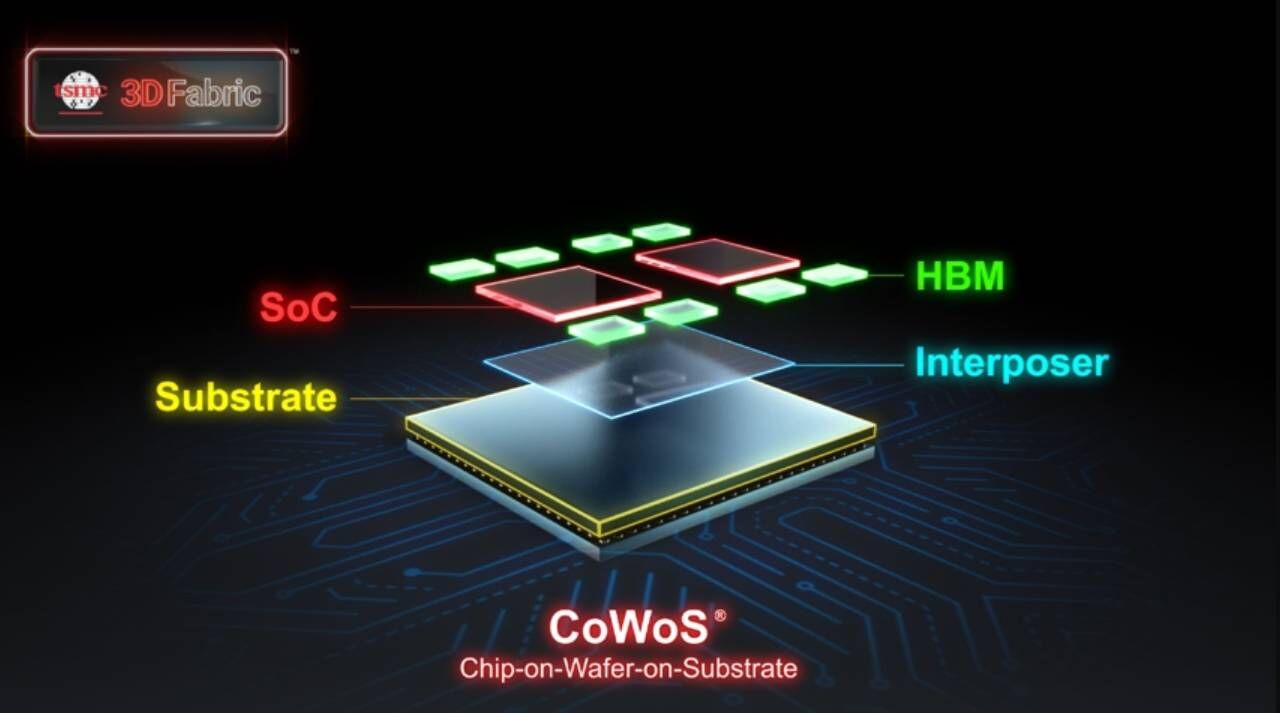
In the HBM market, Micron expects HBM growth to outpace traditional DRAM through 2028, increasing HBM’s share of overall memory production capacity. The company is also working with NVIDIA on next-generation HBM technologies, including customized HBM implementations designed for future AI accelerator platforms.
As AI servers continue to drive demand for high-bandwidth memory and high-capacity DRAM, the memory industry is undergoing a structural shift. Increased allocation of advanced DRAM capacity toward HBM production is further limiting supply flexibility for conventional memory products.


All Comments (0)