
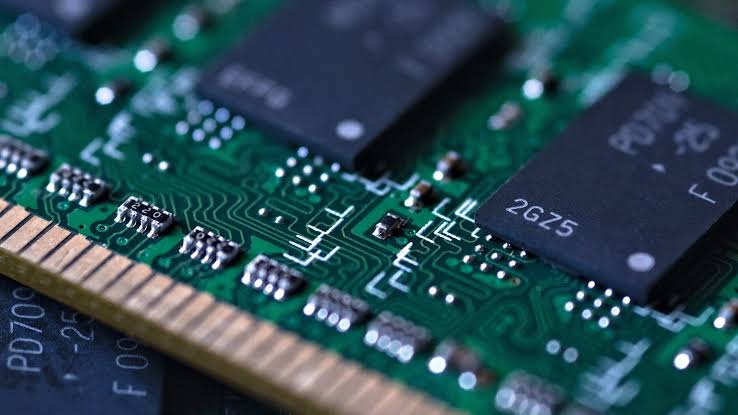

October 14, 2026 / SemiMedia / — Intel CEO Lip-Bu Tan said the expansion of artificial intelligence infrastructure is expected to keep semiconductor supply chains under pressure, with AI hardware shortages potentially lasting another two to three years. However, he noted that the memory market could be one of the first areas to experience a slowdown as supply gradually catches up with demand.
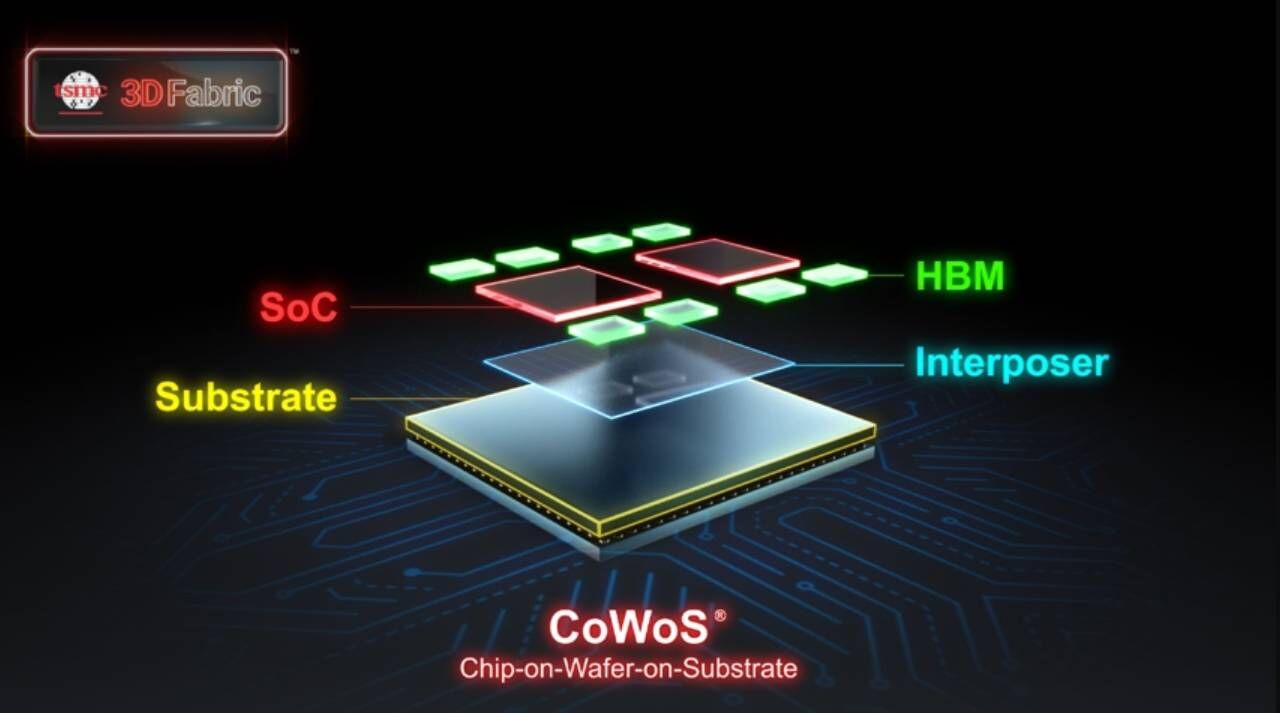
Speaking at an event hosted by DBS Bank in Singapore, Tan said demand for AI computing continues to grow rapidly, while manufacturing capacity across the semiconductor supply chain remains constrained. Memory chips are currently experiencing tight supply conditions, pushing prices higher for several consecutive months, while advanced packaging capacity remains limited due to strong demand for AI accelerators.
However, Tan cautioned that not all parts of the AI hardware supply chain may maintain the same level of growth momentum. He suggested that memory could see demand growth moderate earlier than other AI infrastructure segments, although he did not provide a specific timeline or indicate that memory prices are expected to decline.
The comments come as memory suppliers continue to benefit from strong AI-driven demand. High-bandwidth memory (HBM), server DRAM and enterprise SSD products remain key components for AI data centers, while major memory manufacturers are expanding capacity to support long-term demand.
Tan also highlighted that capital availability will become an increasingly important factor for the AI industry. While companies are investing heavily in data centers and computing infrastructure, long-term growth will depend on whether these investments can generate sustainable returns.
Meanwhile, Broadcom CEO Hock Tan said AI infrastructure constraints are likely to ease gradually as additional capacity comes online. He noted that the industry has experienced multiple supply bottlenecks over the past two years, but many of these challenges have eventually been addressed through capacity expansion.
According to Hock Tan, current memory shortages could potentially ease within about a year, while broader semiconductor wafer supply constraints may require until 2028 or 2029 to improve. He also expects power infrastructure limitations to gradually improve as new energy and data center facilities are developed.
The differing views from Intel and Broadcom reflect the complexity of the current AI supply chain. While demand for AI computing remains strong, individual segments—including memory, advanced packaging, wafers and power infrastructure—may experience different supply-demand cycles as the industry continues its rapid expansion.





All Comments (0)