
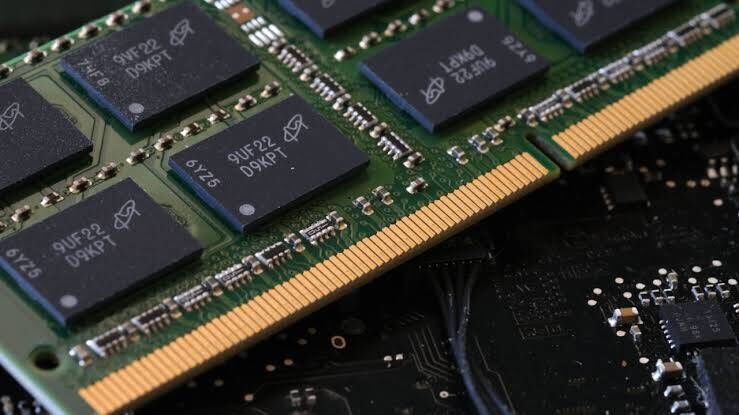

Gartner now expects global memory revenue to reach $837.3 billion in 2026, accounting for approximately 54% of the worldwide semiconductor market, sharply higher than its forecast earlier this year.
In April, Gartner projected 2026 memory revenue of $633.3 billion, representing about 48% of a $1.32 trillion semiconductor market. By August, it had raised the overall semiconductor market forecast to $1.56 trillion and lifted memory revenue to $837.3 billion.
Compared with roughly 27% in 2025, memory's share of semiconductor revenue is expanding rapidly, driven in large part by high-bandwidth memory demand from AI servers and data centers.
Major technology companies are also securing supply further in advance. NVIDIA's supply and capacity commitments have increased from $119 billion to $279 billion, with a significant portion related to memory and manufacturing capacity. Payments extend through fiscal 2029.
Memory manufacturers are responding with more long-term supply agreements. SK hynix has reached agreements with around 10 customers, while Micron's 16 strategic customer agreements cover roughly 20% of its DRAM capacity and about one-third of its NAND capacity over the contract periods. Samsung Electronics is also pursuing multi-year memory supply agreements.
These commitments give suppliers stronger demand visibility and could extend the current upcycle, but they do not eliminate memory cyclicality.
In 2019, global memory revenue fell 31.5% as oversupply and lower prices hit the market, while DRAM average selling prices declined 47.4%. The episode showed that prices can still fall rapidly when supply expands faster than demand.
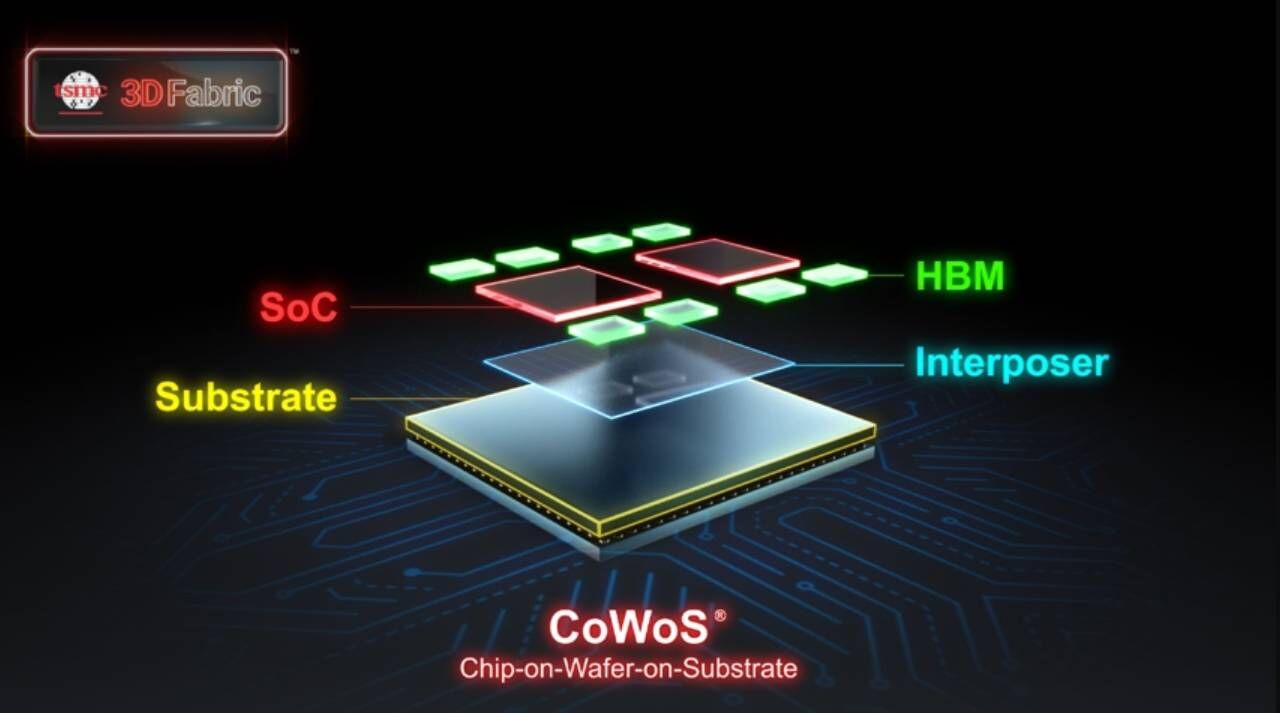
Another investment cycle is already underway. SK hynix is developing an advanced packaging facility in Indiana and has approved 54.3 trillion won in semiconductor investment in South Korea through 2031, while other major suppliers are also expanding HBM, DRAM and advanced packaging capacity.
In the near term, AI infrastructure spending and long-term customer commitments are supporting strong memory market conditions. Over the longer term, pricing will still depend on whether AI demand can absorb the new capacity entering production.


All Comments (0)