

March 18, 2026 /SemiMedia/ — Costs for key chip materials have moved up sharply in recent weeks, adding new pressure on the compound semiconductor sector as supply conditions tighten.
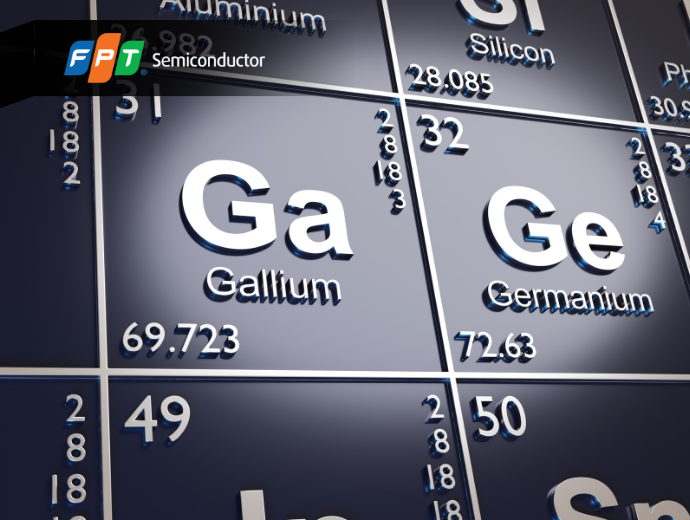
Producers say metals used in high-temperature processes — including tungsten, tantalum and molybdenum — have roughly doubled in price over a short period. Some specialty chemicals have risen even more. Gallium, a critical input for GaAs and GaN devices, has also climbed. Market data puts it at about $2,100 per kg in early March, more than double the level seen at the start of last year.
These materials sit at the core of power and RF components. GaN and GaAs chips are widely used in areas such as PC power supplies, laptop chargers and WiFi 7 front-end modules. As input costs rise, manufacturers are beginning to feel the impact on production planning and delivery timelines.
Part of the pressure is coming from the Middle East. Disruptions have affected aluminium and helium output in Qatar, while some smelters have declared force majeure due to gas supply issues. Aluminium prices have climbed to their highest level in about four years on the London Metal Exchange.
The link between aluminium and gallium adds another layer of risk. Since gallium is mainly produced as a by-product of aluminium refining, any change in aluminium output can quickly affect availability.
Elsewhere, supply of indium phosphide substrates — used in optical and telecom components — remains tight, with little sign of near-term improvement.
Helium is also drawing attention. Qatar accounts for a large share of global supply, and the gas plays a key role in semiconductor manufacturing, particularly in lithography and cooling. Substitutes are limited, making the market more sensitive to disruptions.
In response, chipmakers are adjusting how they manage materials. Some are building up inventories, while others are working with a broader range of suppliers. The shift away from just-in-time models reflects a stronger focus on supply security, even if it comes with added cost risk later on.








All Comments (0)