
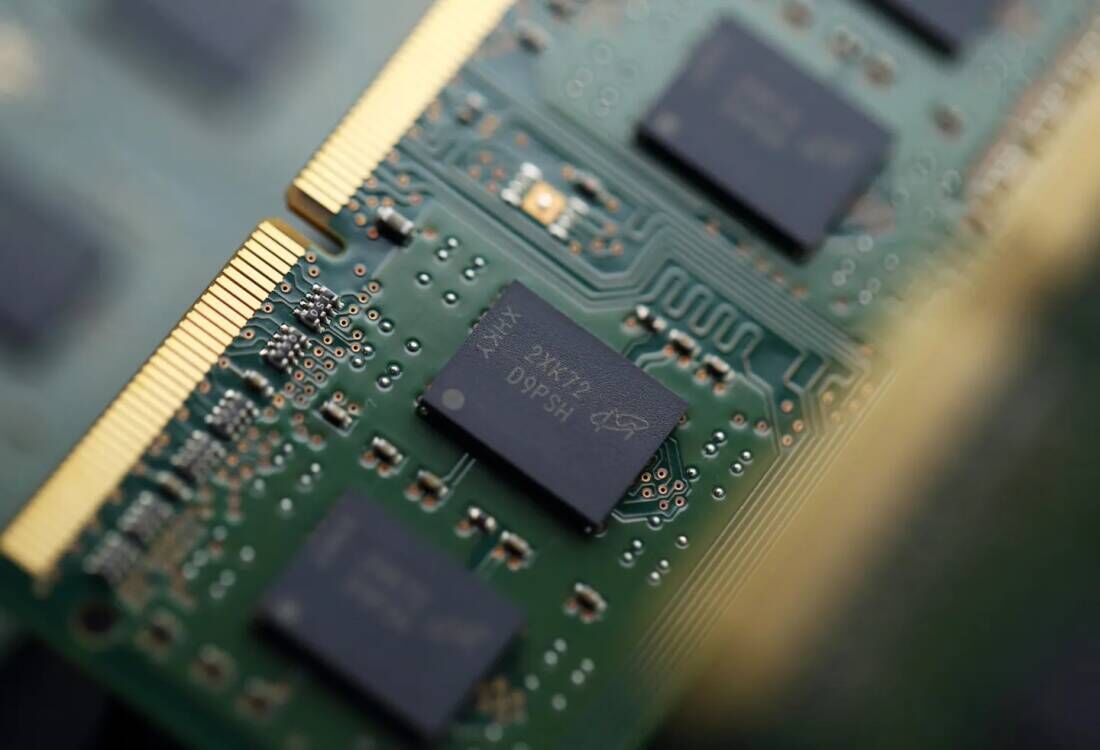

January 12, 2026 /SemiMedia/ — Micron Technology said global memory shortages are likely to persist until at least 2028, as surging artificial intelligence demand continues to outpace the industry’s ability to add effective capacity.
AI-driven demand pushes memory into structural shortage
The imbalance is being driven primarily by rapid expansion in AI data centers, which has sharply increased demand for DRAM and NAND bits. Industry estimates show data center-related memory demand now accounts for as much as 50%–60% of total consumption, up from roughly one-third in previous cycles. The surge has tightened supply across the market, spilling into consumer electronics and limiting memory configurations in PCs and smartphones. Morgan Stanley has described the current situation as a “structural supply-demand mismatch” that will be difficult to resolve in the near term.
Process transitions and product mix constrain output
Micron said expanding output is constrained not only by capital intensity but also by manufacturing complexity. In the AI era, customers increasingly require multiple memory capacities at the same time, forcing frequent production adjustments that reduce effective output. At the same time, accelerated DRAM technology transitions require new equipment and process tuning, further limiting short-term capacity gains.
Capacity additions unlikely to ease supply before 2028
On the supply side, relief remains distant. Micron said volume production at its Idaho “Idaho 1” fabrication plant is now expected to begin in mid-2027, but meaningful capacity will only be realized after customer qualification and ramp-up, extending into 2028. Rival suppliers face similar timelines, with new fabs scheduled to come online in late 2027 or later and expected to ramp gradually.
Company executives said Micron can currently meet only about 50% to two-thirds of mid-term demand from key customers. Even with process optimizations that could lift DRAM and NAND bit shipments by around 20% in 2026, demand growth of more than 30% is expected to keep supply tight. JPMorgan forecasts that average DRAM prices could rise nearly 60% year-on-year in 2026, with tight market conditions persisting beyond that period.
Micron said it is working closely with customers to stabilize demand and improve manufacturing efficiency, but acknowledged that structural constraints across the industry mean shortages are unlikely to ease materially before 2028.








All Comments (0)