
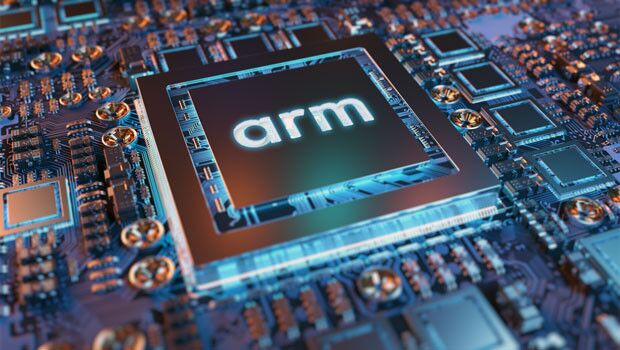

January 9, 2026 /SemiMedia/ — Arm Holdings said it has reorganized its internal structure and created a new physical artificial intelligence division, a move designed to strengthen its position in robotics and automotive-related computing platforms.
Following the overhaul, Arm now operates across three main business lines: cloud and artificial intelligence, edge computing covering mobile devices and PCs, and physical AI, which includes automotive and robotics workloads. The shift reflects the company’s effort to align its processor architecture more closely with systems that interact directly with the physical world.
Robotics and automotive emerge as key physical AI applications
Executives said robotics and vehicles share a common foundation in sensors, control systems and real-time compute, making them natural targets for Arm’s expanding technology roadmap. Carmakers, including Tesla, have been developing robots to automate tasks in factories and warehouses, further blurring the line between automotive and industrial computing.
Long-term growth strategy extends beyond traditional CPU designs
The push into physical AI is part of a broader strategy under Chief Executive Rene Haas, who took over about four years ago. Arm has been working to raise the value of its latest architectures while also exploring whether to move closer to full chip design offerings, according to company executives.
Arm sees robotics as a long-term growth market. Drew Henry, who leads the company’s newly formed robotics team, said physical AI could materially improve productivity and have a meaningful impact on economic output. Chief Marketing Officer Ami Badani said Arm plans to hire more engineers dedicated to robotics-focused technologies.






All Comments (0)