

AI Demand Reshapes the Wafer Foundry 2.0 Market
December 31, 2025 /SemiMedia/ — Global wafer foundry 2.0 revenue climbed 17% year-on-year to $84.8 billion in the third quarter of 2025, fueled by sustained demand for AI GPUs across both front-end wafer manufacturing and back-end advanced packaging, Counterpoint Research said.
The report highlighted that pure-play foundries, led by Taiwan Semiconductor Manufacturing Co (TSMC), remained the primary growth engine of the market. Demand for advanced nodes from AI accelerators and premium smartphones continued to underpin industry expansion, while mainland Chinese foundries also benefited from domestic subsidies and localized demand.
TSMC Extends Its Lead on Advanced Nodes and Packaging
TSMC significantly outperformed the broader market, posting a 41% year-on-year revenue increase in the quarter. Growth was driven by the ramp-up of 3nm chips for Apple’s flagship smartphones, alongside fully loaded 4nm and 5nm capacity serving AI customers such as Nvidia, AMD and Broadcom. Counterpoint noted that tight 4nm and 5nm capacity could limit near-term revenue upside, although TSMC’s strong position in advanced packaging is expected to support growth into 2026.
Non-TSMC foundries, however, saw slower momentum. Combined revenue for this group rose 6% year-on-year in the third quarter, down from 11% growth in the previous quarter. Mainland Chinese foundries stood out, delivering 12% growth as policy support and easing tariff effects helped stabilize demand.
Non-memory integrated device manufacturers (IDMs) showed early signs of recovery, with revenue rising 4% year-on-year, suggesting that inventory correction is nearing an end. Texas Instruments led the group with 14% growth, while STMicroelectronics showed signs that its downturn is easing.
OSATs Gain from AI-Driven Advanced Packaging Expansion
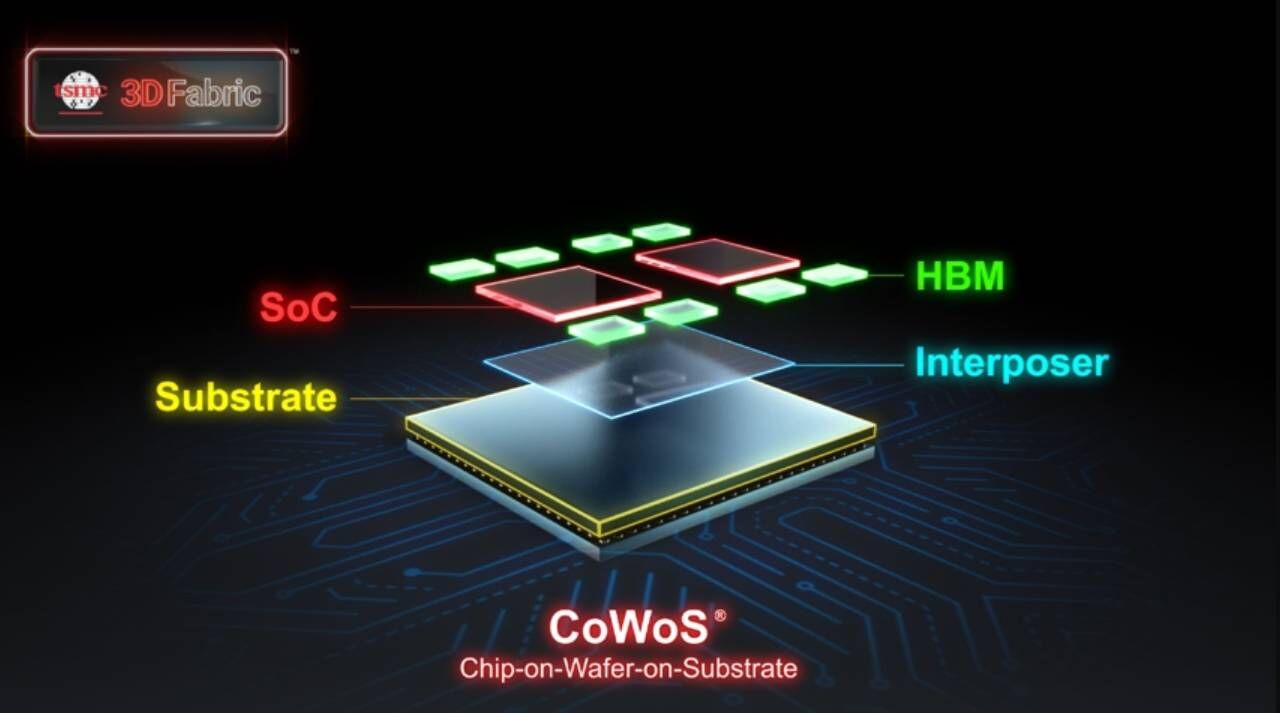
In the back-end segment, OSAT providers continued to benefit from AI-related spillover demand. OSAT revenue rose 10% year-on-year in the third quarter, compared with 5% a year earlier, led by ASE and SPIL. Their advanced fan-out packaging solutions captured overflow orders tied to AI GPUs and AI ASICs. Counterpoint expects advanced packaging capacity to double in 2026, positioning AI chips as the key growth driver for OSATs through 2025 and 2026.






All Comments (0)