
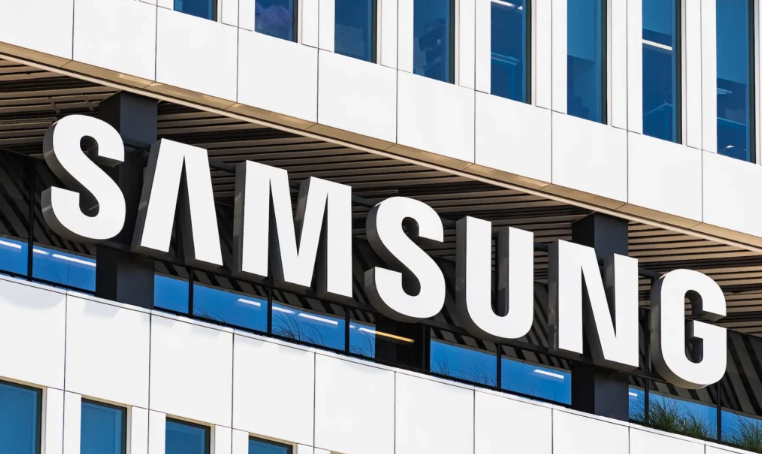

July 3, 2026 /SemiMedia/ — Industry sources said Samsung Electronics is negotiating with customers to raise DRAM average selling prices by up to 20% in the third quarter of 2026 from the previous quarter.
The move reflects continued tight supply across memory products as investment in AI infrastructure remains strong. Shortages are affecting not only server DRAM and high-bandwidth memory, but also low-power DRAM, which is becoming increasingly important for AI inference and mobile applications.
Industry sources said the pace of DRAM price increases may slow in the second half of the year, but elevated profitability is expected to continue into next year.
Samsung has been particularly aggressive in DRAM pricing this year. Industry estimates suggest Samsung’s DRAM average selling price rose about 90% sequentially in the first quarter, with second-quarter increases expected to reach 50% to 60%. The company is now seeking another increase of around 20% in the third quarter.
One semiconductor industry source said Samsung remains highly active in third-quarter price negotiations and is seeking to raise LPDDR prices by more than 20%. LPDDR has recently faced severe bottlenecks in both server and mobile markets. However, it remains unclear whether customers will fully accept the increases.
Samsung’s DRAM price growth is expected to exceed that of SK hynix. Analysts said this is partly because Samsung has a larger exposure to general-purpose DRAM, where prices are more volatile, while SK hynix has a higher share of HBM capacity.
Although the rate of price increases is expected to moderate, DRAM prices are likely to remain firm. AI servers, cloud data centers and high-performance computing systems continue to consume large amounts of DRAM capacity, while the share of long-term agreements with major customers is rising.
Industry sources said broader long-term supply agreements and renewed HBM price negotiations should help prevent a sharp decline in the DRAM market next year. Customers are increasingly willing to lock in supply and pricing to secure future capacity.
Analysts also said Meta’s potential move to sell excess internal compute resources should not be viewed as a negative signal for memory demand. Instead, it likely reflects an effort to improve utilization of internal AI computing resources.
Meta has maintained an aggressive investment stance. The company previously raised its annual AI infrastructure investment plan to between $125 billion and $145 billion, up from an earlier range of $115 billion to $135 billion.




All Comments (0)