
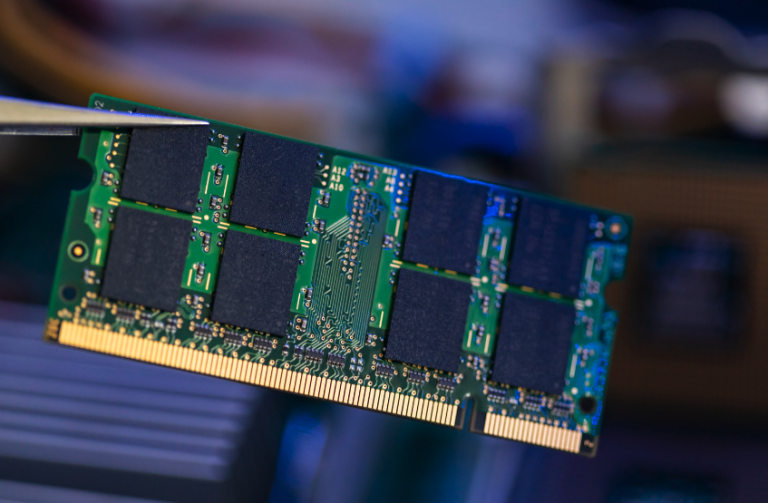

June 8, 2026 /SemiMedia/ — Wall Street analysts are divided over how long the AI-driven memory chip rally can last, as some investors begin to question whether DRAM and NAND prices could peak sooner than expected.
Most analysts still expect strong AI demand to keep memory supply tight until around mid-2027, even as suppliers add capacity. However, Raymond James analyst Kal Ackerman has issued a more cautious view, warning that average selling prices for DRAM and NAND could peak by mid-2026 and begin declining in consecutive quarters as early as next year.
Ackerman said pressure is building on both the supply and demand sides. Chinese memory makers are expanding production, which could add new supply to the global market. At the same time, rising memory prices are starting to weaken demand from non-AI end markets such as smartphones and PCs.
AI servers remain a major source of demand for high-end memory, but the shift has created a more difficult environment for consumer electronics manufacturers. The pressure also reflects a broader infrastructure trend in which memory bandwidth, capacity and power efficiency are becoming key constraints for AI systems, as discussed in Why AI Servers Are Making Memory Chips the New Bottleneck of AI Infrastructure.
Counterpoint Research expects global smartphone shipments to decline about 14% this year, underscoring the pressure facing consumer electronics markets as component prices rise.
The imbalance has also drawn attention from U.S. industry groups. This week, nine U.S. trade associations sent a joint letter to Treasury Secretary Scott Bessent and Commerce Secretary Howard Lutnick, urging the government to help address memory chip shortages.
The groups said AI could drive major technological progress and strengthen U.S. leadership, but warned that other parts of the physical economy should not be harmed by the shortage.
The memory industry has long been highly cyclical, and a peak in chip prices is often viewed as an early sign that the cycle could begin turning. Still, Ackerman maintained an outperform rating on Micron, citing long-term pricing agreements that could help reduce the near-term impact of any price correction.
Market expectations have already shifted. According to FactSet, Micron’s forward price-to-earnings ratio has risen from 4.4 in April to 11.7. Ackerman said that valuation now reflects investor expectations for slower contract price growth, lower gross margins and potential excess capacity over the next one to two years.
Industry observers said AI capital spending should continue supporting high-end memory demand, but the broader market may face a new test if rising DRAM and NAND prices further weaken consumer electronics demand.




All Comments (0)