
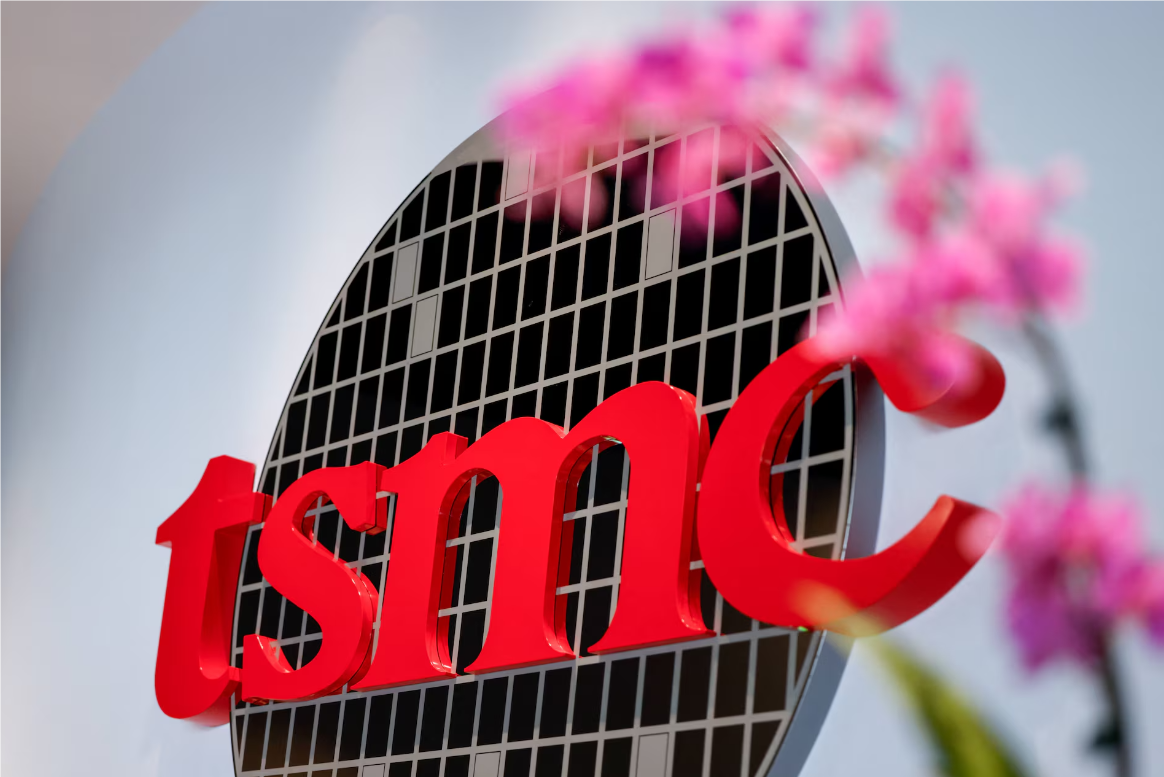

May 13, 2025 /SemiMedia/ — TSMC has approved a new $20 billion capital injection into its wholly owned subsidiary TSMC Arizona to continue expansion of the Fab 21 wafer plant in Arizona, as the company accelerates its long-term manufacturing plans in the United States.
The funding approval is part of TSMC’s previously announced $165 billion U.S. investment program and gives management authority to continue construction and capacity expansion at the Arizona site. The project has become one of the most closely watched overseas semiconductor manufacturing investments in recent years.
Fab 21 also drew attention after reporting about $514 million in profit last year. For a new advanced wafer fab, reaching profitability during the early production stage is considered an important milestone in the foundry industry.
According to industry reports, TSMC told Taiwan officials that the ramp-up of its first Arizona fab moved more smoothly than expected. The company is now showing stronger confidence in the long-term operation of the site and continues to push forward with additional expansion phases.
Still, the Arizona operation faces several challenges tied to infrastructure and local resources. Water supply remains one of the biggest concerns because advanced semiconductor manufacturing requires large volumes of ultra-pure water, while Arizona continues to deal with dry climate conditions and long-term water pressure.
TSMC previously planned to build recycling and water treatment systems around Fab 21 to improve water reuse efficiency, although the full progress of those projects has not been publicly confirmed. Stable electricity supply and environmental compliance requirements also remain key issues for future expansion.
Labor availability is another pressure point for the company. The U.S. semiconductor sector continues to face a shortage of experienced technical workers, while visa restrictions have made it harder for overseas engineers to support factory operations in Arizona. Reports also said higher costs linked to new H-1B visa policies have increased staffing pressure for international companies.






All Comments (0)