
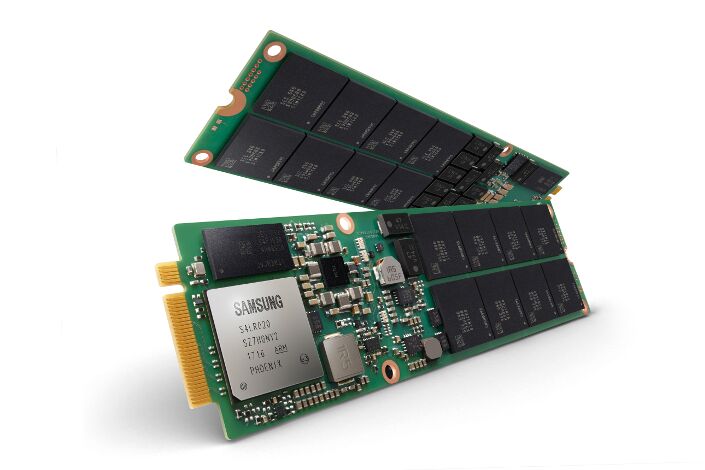

March 2, 2026 /SemiMedia/ — Samsung Electronics is preparing to halt 2D NAND flash production at its Line 12 facility in Hwaseong, South Korea, and convert the capacity to support 1c DRAM manufacturing, according to industry sources.
The line currently runs roughly 80,000 to 100,000 12-inch wafers per month. Sources said Samsung had already informed at least one customer last year about plans to end planar NAND output.
The move marks Samsung’s formal exit from legacy planar NAND production and is expected to improve overall DRAM efficiency at the Hwaseong site as more resources shift toward advanced memory.
Samsung first mass-produced 1Gb NAND in 2002, helping it rise to the top of the global flash market. In 2013, the company transitioned to 3D V-NAND, moving the industry toward vertical stacking technology. The latest change comes more than two decades after Samsung began producing 2D NAND.
During its recent earnings call, Samsung said it would upgrade mature process capacity to more advanced nodes, including phasing out planar NAND. The strategy reflects the company’s focus on higher-value memory products.
At the same time, Samsung is increasing investment in 1c DRAM at both its Hwaseong and Pyeongtaek campuses. The P4 line in Pyeongtaek, originally designed for DRAM, NAND and foundry output, is now being adjusted to focus mainly on DRAM production.
Additional DRAM lines in Hwaseong are also being converted to support 1c DRAM, suggesting the node will account for a growing share of Samsung’s total DRAM capacity.









All Comments (0)