


January 7, 2026 /SemiMedia/ — Texas Instruments said it has expanded its automotive semiconductor portfolio, targeting the industry’s shift toward centralized computing architectures and higher levels of driving automation.
The company introduced new automotive chips and development tools aimed at advanced driver assistance systems and software-defined vehicles, as automakers move away from distributed electronic control units toward more consolidated computing platforms.
Automakers move toward centralized vehicle computing
At the center of the update is TI’s TDA5 family of high-performance computing system-on-a-chip devices, designed to support edge AI processing and sensor fusion. The scalable portfolio is intended to span multiple vehicle classes and support autonomous driving functions up to SAE Level 3.
TI also unveiled the AWR2188, a single-chip 8-by-8 4D imaging radar transceiver, aimed at simplifying the design of high-resolution radar systems used for object detection and perception. In addition, the company introduced the DP83TD555J-Q1, a 10BASE-T1S Ethernet physical layer device designed for in-vehicle networking.
TI targets ADAS and autonomy with scalable SoC platform
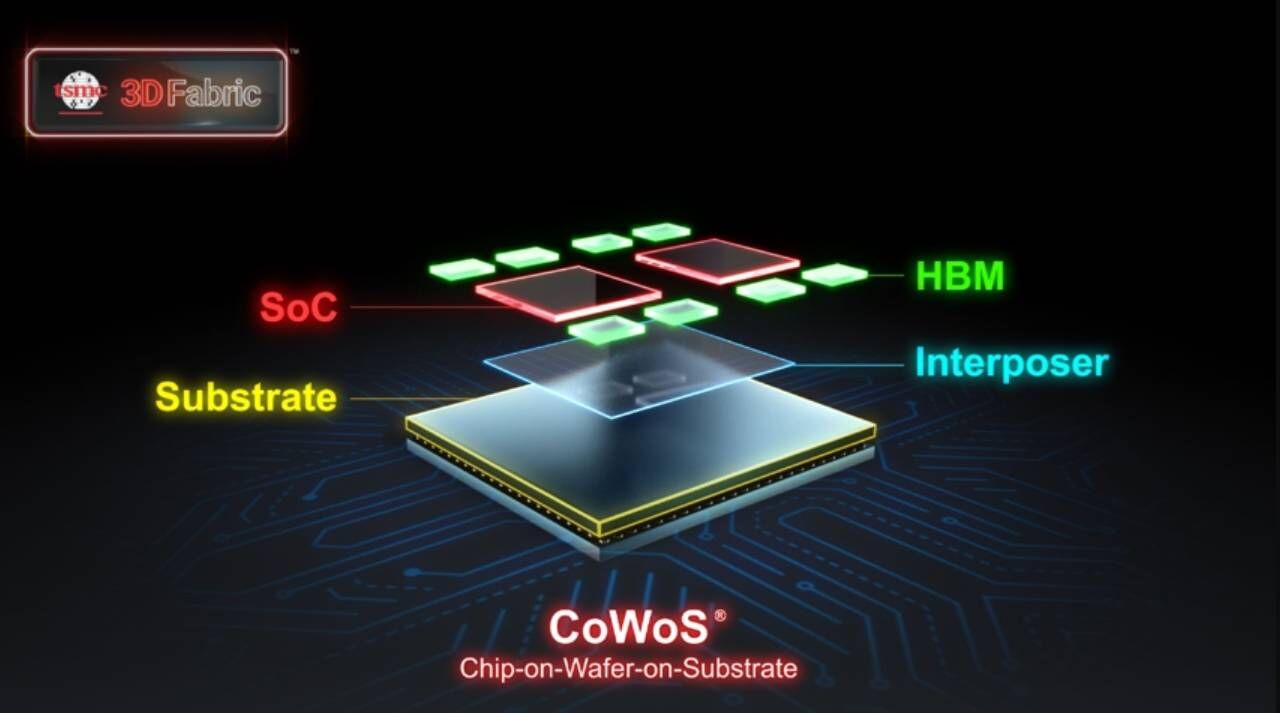
The TDA5 SoCs are built to deliver a wide range of AI performance levels while maintaining power efficiency, allowing automakers to reuse a common hardware platform across different models. The chips support chiplet-ready designs using UCIe interfaces, enabling flexible feature scaling without significant changes to system architecture.
TI said the TDA5 family integrates its latest generation neural processing unit and Arm Cortex-A720AE cores, enabling higher AI workloads without requiring more complex thermal solutions. The devices are designed to consolidate ADAS, infotainment and gateway functions into a single chip while meeting Automotive Safety Integrity Level D requirements.
Radar, networking and software tools support SDV development
To support vehicle software development, TI is working with Synopsys to provide a Virtualizer development kit for the TDA5 platform. The tool allows engineers to simulate and validate software using digital twins, helping reduce development timelines for software-defined vehicles.
The latest product launch highlights growing competition among semiconductor suppliers to secure positions in centralized automotive computing, as AI-driven functions become a core requirement across vehicle segments.





All Comments (0)