
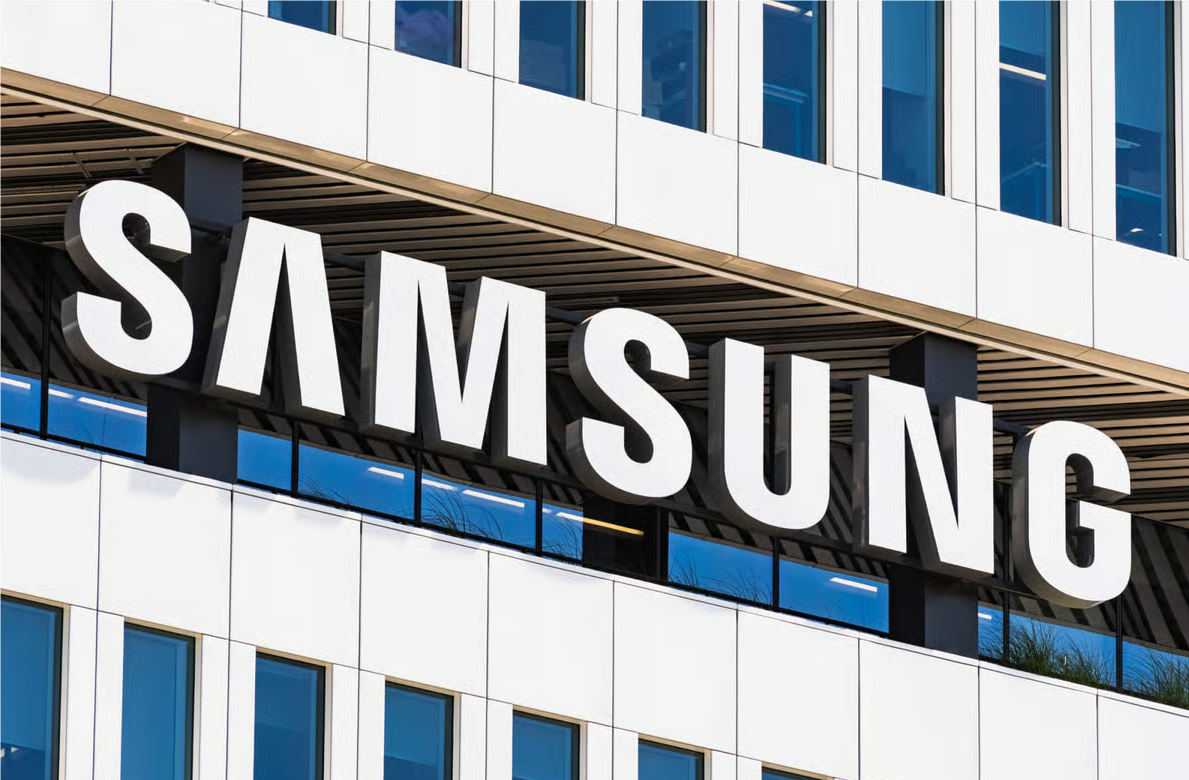

January 6, 2026 /SemiMedia/ — Samsung Electronics is preparing to restart construction of its advanced P5 wafer fabrication plant in Pyeongtaek, South Korea, according to industry sources, marking a renewed push in long-term semiconductor manufacturing capacity.
Samsung restarts long-term wafer capacity planning in South Korea
The P5 project was originally scheduled to break ground in 2024 but was put on hold after construction began in 2023, as the global memory chip market entered a prolonged downturn. With pricing pressure easing and demand conditions gradually improving, Samsung has reassessed its capacity roadmap and moved to revive the project.
Sources said land preparation work at the P5 site is already under way, with an official construction announcement expected soon. Structural work is likely to begin within one to two months under the current timeline.
P5 fab design highlights Samsung’s advanced manufacturing scale
The P5 fab is designed as a three-story facility, with a total scale comparable to the combined capacity of Samsung’s P3 and P4 fabs, both of which are two-story structures. Once completed, P5 is expected to become one of the largest individual fabs within Samsung’s Pyeongtaek semiconductor complex.
On the engineering side, Samsung Electronics and its affiliate Samsung E&A disclosed to financial regulators that the value of their internal construction contracts related to P5 has risen to around 550 billion won, up from 391.5 billion won announced in 2023. Samsung C&T and Samsung Heavy Industries, which were involved in earlier phases of the Pyeongtaek expansion, are also awaiting further contract awards.
Memory market recovery underpins Samsung’s fab investment outlook
The move comes as Samsung co-CEO Roh Tae-moon recently warned that global memory supply conditions remain exceptionally tight, pushing up component costs for smartphones, televisions and other consumer electronics. Industry analysts see the restart of the P5 project as a signal that Samsung expects a more durable recovery in memory demand and advanced wafer manufacturing over the medium to long term.



All Comments (0)