

AI-driven demand reshapes global DRAM supply dynamics
December 22, 2025 /SemiMedia/ — Global DRAM markets are set to remain structurally tight beyond 2026 as artificial intelligence workloads continue to absorb a growing share of advanced memory capacity, Micron Technology’s chief executive said, underscoring a shift in how customers secure supply.
Micron has benefited from strong pricing and rising demand from AI data centers, which helped drive record revenue in its latest quarter. The company said demand from high-performance computing customers has shown little sign of easing, reinforcing constraints across the memory supply chain.
HBM capacity constraints emerge as a key industry bottleneck
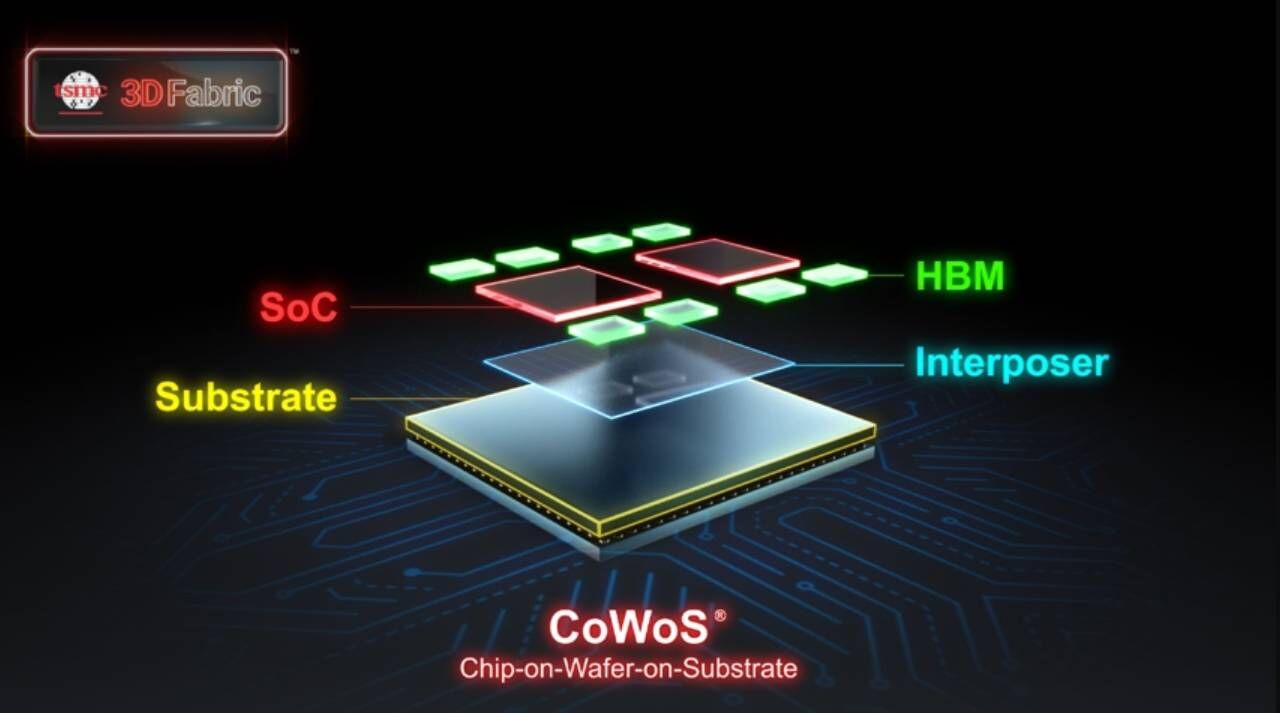
High-bandwidth memory has emerged as a major factor behind the tightening market. Producing HBM consumes significantly more wafer capacity than conventional DRAM, with Micron estimating that HBM requires roughly three times the wafer area of DDR5. The company expects HBM revenue to grow rapidly as AI accelerators proliferate, and sees the segment’s total addressable market reaching about $100 billion by 2028.
While Micron has exited its Crucial consumer brand business, it continues to supply DRAM to PC and smartphone makers. The company said PC shipments are still expected to grow despite supply limitations, though it acknowledged it will not be able to meet demand across all end markets in the near term.
To address longer-term capacity constraints, Micron is expanding manufacturing in the United States, including two fabs under construction in Idaho and a planned site in New York state. Even after these projects come online, the company expects to meet only about half to two-thirds of demand from its most critical customers.
Long-term supply agreements become the new norm for memory buyers
Against this backdrop, customers are increasingly seeking supply certainty. Micron said concerns over long-term memory availability have led many buyers to enter multi-year supply agreements, a practice that is becoming more common across the DRAM industry.
Tight supply conditions have also continued to support DDR5 pricing. While some market participants expect price increases to moderate, most suppliers believe the imbalance between supply and demand will persist well into next year.




All Comments (0)