
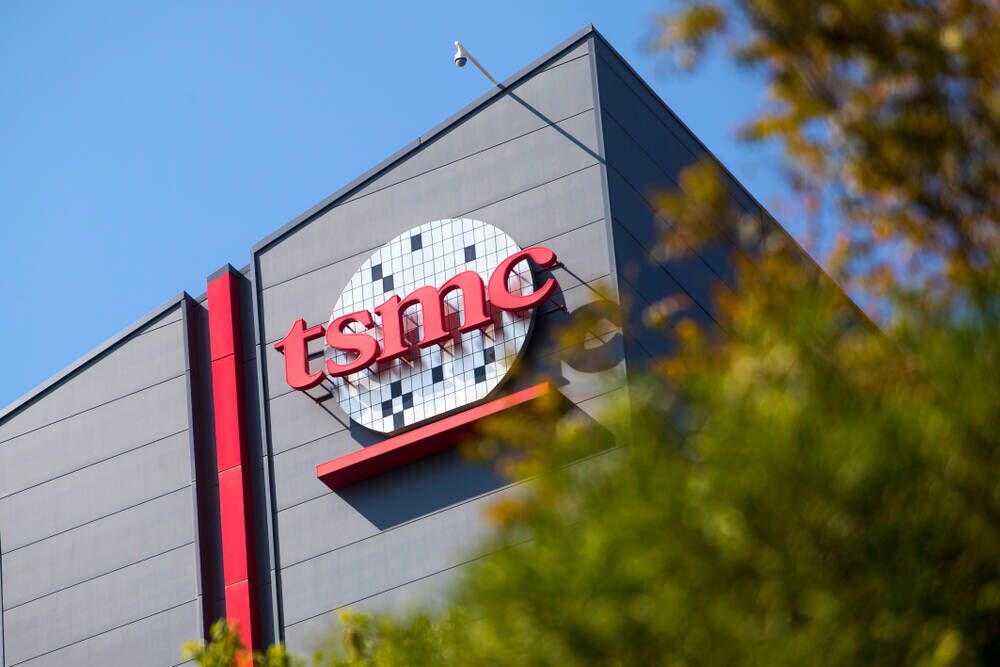

June 1, 2026 /SemiMedia/ — TSMC is reportedly considering raising prices for its advanced 3nm process by as much as 15% in the second half of 2026, as demand from AI accelerators, flagship smartphone processors and high-performance computing applications continues to tighten advanced foundry capacity.
Industry sources said TSMC could also increase 3nm pricing by another 5% to 10% in 2027 if demand remains strong. Limited capacity, rising research and development costs and stronger orders from major technology customers are being cited as key factors behind the potential price increases.
TSMC has steadily raised prices for its advanced manufacturing nodes over the past year. Its 2nm process is reportedly priced as much as 50% higher than 3nm, while wafers for its planned 1.6nm process, expected in the second half of 2026, could reach about $45,000.
As AI chip designs become more complex, advanced process technology has become increasingly important not only for smartphone processors but also for AI servers, data center accelerators and high-performance computing platforms. TSMC remains the dominant supplier in leading-edge foundry manufacturing due to its yield performance, capacity scale and customer ecosystem.
However, rising costs are also prompting large technology companies to reassess their supply chain strategies. Industry observers said some customers are looking to diversify foundry sourcing to reduce dependence on a single supplier and limit exposure to continued price increases.
Samsung Electronics is seen as a potential beneficiary. As the world’s second-largest foundry, Samsung generally offers lower pricing than TSMC for advanced processes and was the first to introduce 3nm gate-all-around technology. Recent market reports also suggest Samsung’s 2nm yield has improved significantly, with some industry estimates placing it near 60%, a level generally considered suitable for high-volume production.
Samsung’s chip orders from Tesla and Apple last year have been viewed as part of a broader move by large technology customers to diversify advanced-node supply. If TSMC continues increasing prices, Samsung could gain additional opportunities in AI, automotive and high-performance computing chips.
Although Samsung’s foundry business still faces heavy quarterly losses, stronger advanced-node orders and further yield improvements could help narrow losses and support a path toward profitability.
Samsung’s recent role as a strategic infrastructure partner in AI company Anthropic’s large financing round has also raised market speculation that cooperation between the two companies could eventually expand into AI chip manufacturing and foundry services.





All Comments (0)