

July 9, 2026 /SemiMedia/ — Supply chain sources said memory contract prices could rise sharply over the next several quarters, with increases potentially exceeding earlier market expectations.
Third-quarter 2026 memory contract prices are still being finalized. The market had previously expected price increases to slow because of a higher base, but supply chain sources said DRAM and Flash memory prices may rise more than expected.
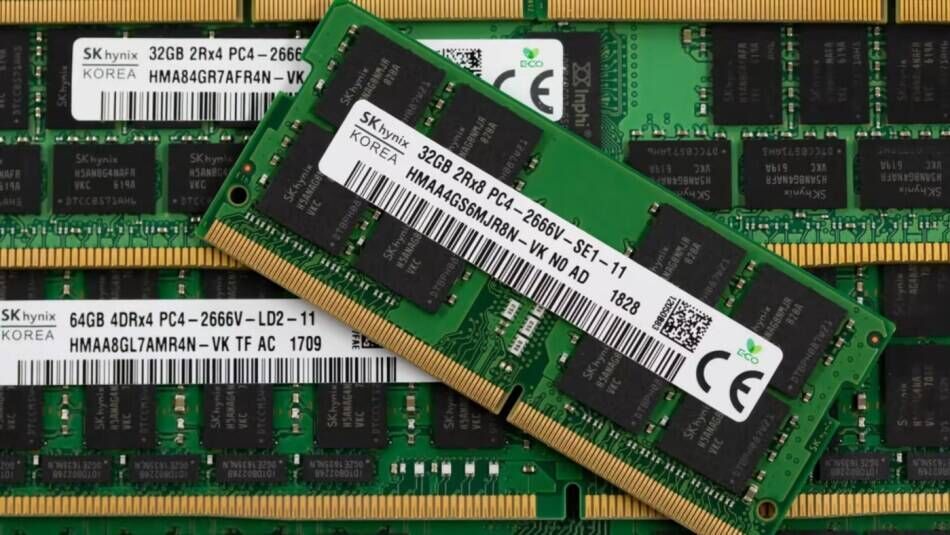
DDR5 prices have already started to increase, while older DDR4 memory is also set for significant price hikes. Prices for 8Gb DDR4 products are expected to rise by more than 50% in the third quarter.
Industry sources said DDR4 prices are being driven by both supply contraction and recovering demand. Samsung, SK hynix and Micron are allocating more resources to DDR5, HBM and other high-end memory products to serve AI server and data center customers. At the same time, DDR4 remains widely used in PCs, industrial systems, consumer electronics and some storage products.
Spot prices for DDR4 16Gb products are already high, with some specifications trading above comparable DDR5 DRAM. Because end-market recovery remains uneven, many PC makers continue to use DDR4 platforms to maintain lower-cost product lines, supporting demand for older-generation DRAM.
DDR4 demand recovered significantly in the second quarter, pushing prices beyond the upper end of previous market expectations. Supply chain sources said DDR4 produced by Taiwanese suppliers is now priced noticeably higher than comparable Samsung products.
At the same time, Samsung is accelerating its shift toward DDR5 and next-generation high-end memory products to increase revenue contribution from AI customers.
Enterprise SSD demand is another factor tightening DDR4 supply. Although many DRAM-less SSD designs are available, SSDs with DRAM still offer advantages in reducing latency, improving cache performance and increasing read-write speed. As AI data centers and enterprise storage demand grow, high-capacity SSDs are also consuming more DRAM.
Supply chain sources said AI demand is driving rapid growth in enterprise SSDs, which could further widen the supply gap for DDR4 8Gb DRAM. The shortage could last as long as two years.
DDR4 production is now increasingly concentrated at suppliers such as Nanya Technology and Winbond Electronics. Because major global memory makers have shifted more resources toward high-end products, available capacity for older-generation DRAM is limited, leaving DDR4 supply below actual market demand.
As some suppliers focus more on DDR4 production, DDR3 supply lines are also being squeezed. Prices for DDR3 and other older-generation memory products have started to rise, and industry sources expect 4Gb DDR4 and DDR3 prices to continue increasing in the second half of 2026.
Market analysts said the current memory price upcycle is not limited to HBM and DDR5. Older-generation DRAM is also benefiting from capacity migration, supply contraction and long-tail demand.
Before the shortage eases, prices for DDR5, DDR4 and DDR3 are expected to continue rising. In the near term, fourth-quarter 2026 prices still have room to increase further, while supply conditions in 2027 could become even tighter.



All Comments (0)