
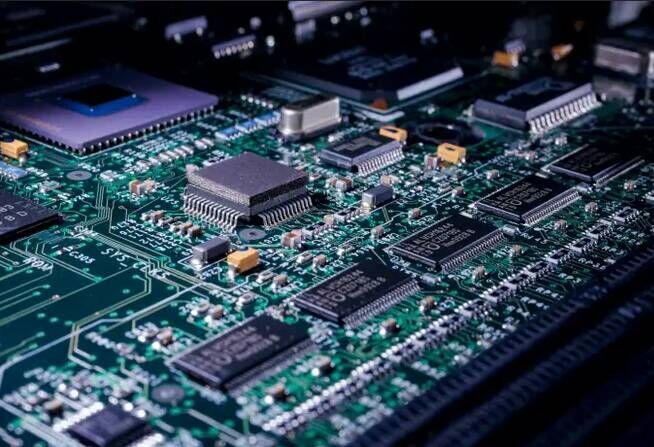

September 21, 2026 / SemiMedia / — Cost pressure from the AI-driven semiconductor boom is beginning to reach the global monitor supply chain, with higher display driver IC, panel material and other component costs reducing the room for further price declines. Broad retail price increases have not emerged across all regions, but the cost base for monitor manufacturers is moving higher.
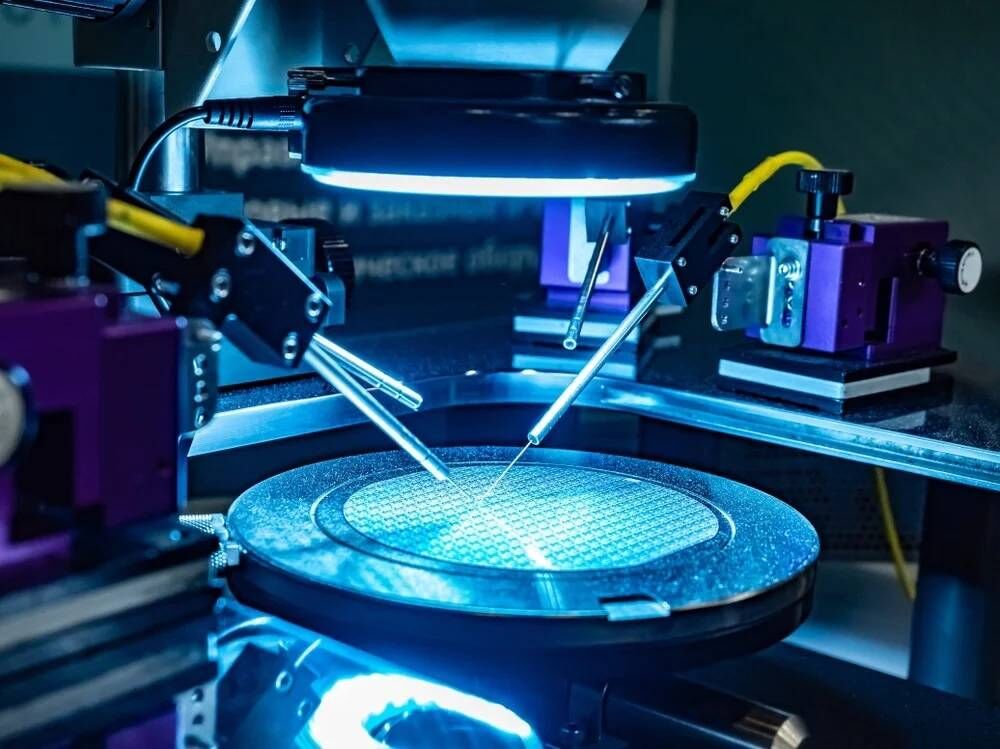
Omdia said display driver IC prices are rising as mature-node foundry capacity tightens and semiconductor manufacturing costs increase. Rapid growth in AI-related power management IC demand is causing some foundries to allocate more capacity toward PMICs, reducing the capacity available for DDICs used in monitors, televisions and notebook PCs. Prices at several 8-inch foundries rose by about 5% to 10% quarter over quarter in the first quarter of 2026.
Foundry services account for roughly 60% to 70% of DDIC manufacturing costs, making wafer price increases particularly important for display chip suppliers. Notebook DDIC prices increased by around 5% to 15% in the second quarter, while Omdia expects monitor DDICs to face upward pricing pressure in the third quarter.
Monitor panels have followed a similar pattern. Global monitor panel prices increased earlier in 2026 before the pace of gains slowed in June. Mainstream panel prices were broadly flat in August and September, but continued increases in upstream material costs have left panel makers with little room for further price reductions.
The global market therefore appears to be facing a higher cost floor rather than a uniform increase in retail monitor prices. Final selling prices still vary by region, inventory levels, promotions and product specifications, but falling component costs are providing less support for aggressive price reductions than in previous periods.
The product mix is also shifting toward higher-value displays. TrendForce reported that global OLED monitor shipments surged 98% year over year and 26.1% sequentially in the second quarter of 2026. The broader global monitor market ships roughly 125 million to 130 million units annually, while OLED and other premium specifications are taking a growing share of gaming and professional demand.
This premiumization can lift average selling prices independently of component inflation. At the same time, higher DDIC, panel material, power and electronics costs are putting additional pressure on mainstream products.
The connection between AI and monitor pricing is therefore largely indirect. Monitors are not heavy consumers of DRAM or NAND, but their display drivers, power components and other semiconductors compete for some of the same mature-node manufacturing and upstream resources increasingly used by AI infrastructure. If AI-related semiconductor demand remains elevated, monitor manufacturers may continue to face higher procurement costs and greater pressure to pass part of those increases downstream.


All Comments (0)