
SemiMedia SemiMedia
  • Breaking News
  • MarketWatch
  • Distribution
  • Manufacturer
  • Video
  • About us
Home › MarketWatch › After the shortage, the MLCC global market will be changed
  • 0

After the shortage, the MLCC global market will be changed

SemiMediaEdit
July 17, 2019

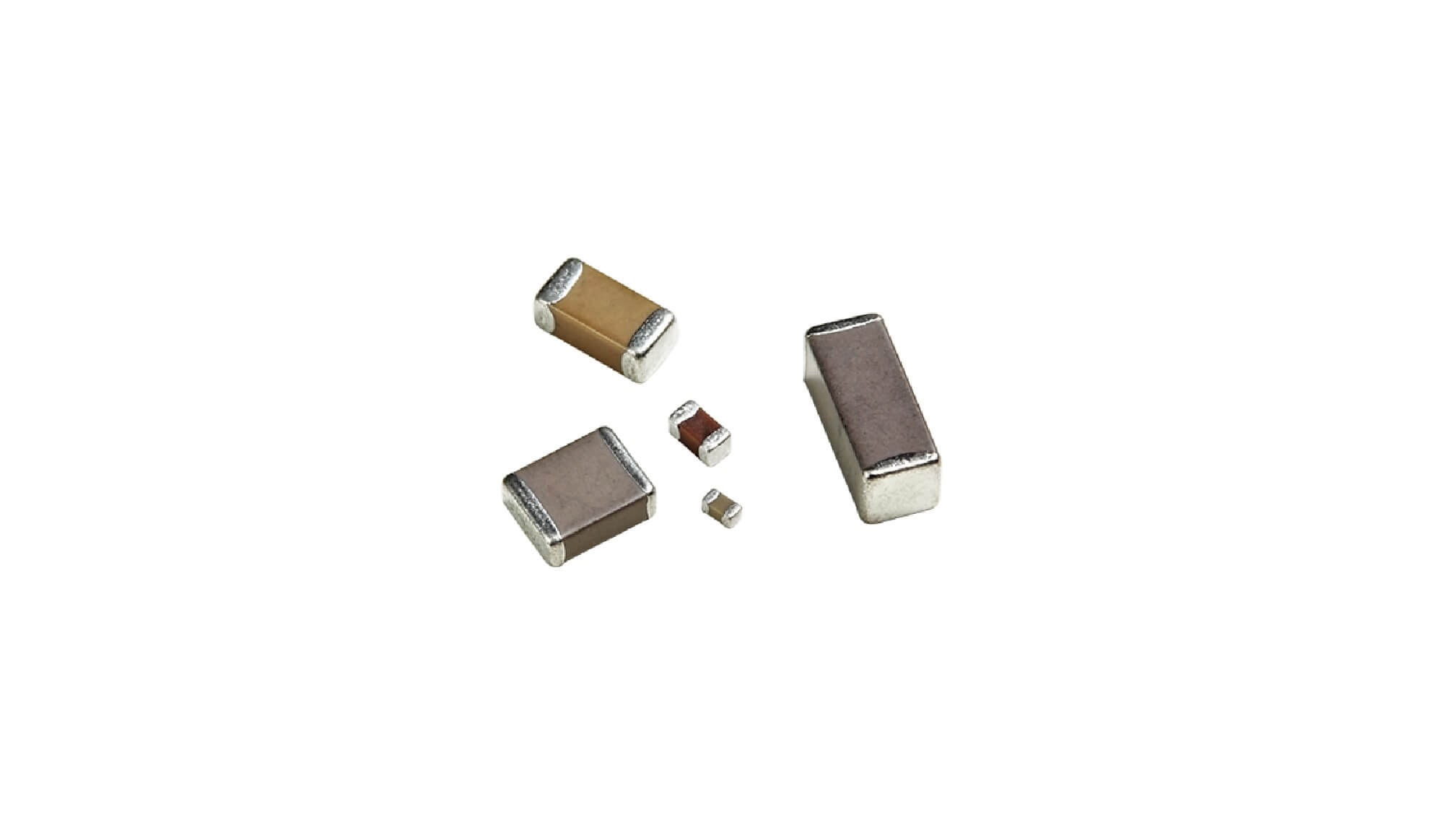
In 2018, under the background of the global shortage of MLCC, Vishay, Murata, TDK, Taiyo Yuden, Samsung, Kyocera, Yageo and other producers announced the expansion of production. These new production lines will be put into production between the end of 2019 and 2021. Among them, the expansion of Japanese and Korean manufacturers mainly focuses on high-end MLCC products for smartphones and automobiles.

Recently, Dave Valletta, executive vice president of global sales at Vishay, said: "In order to solve the global MLCC shortage, our MLCC business unit has increased production capacity. Now we are able to significantly shorten the MLCC lead time to better meet the needs of our customers around the world."

According to Vishay, the lead time of its high reliability and RF/HF MLCC, as well as industrial and automotive grade MLCC, have been shortened to less than 10 weeks.

The most obvious effect currently reflected in the market is the shortened lead times for high-end MLCC products. According to the plan, the monthly production targets of Yageo (10 billion/month) and Murata (40 billion+/month) will also be reached in the end of 2019.

In addition, the expansion plans of Fenghua (5.6 billion / month), Yageo (10 billion / month), Samsung, Taiyo, etc. will be reached next year, and the expansion of companies such as Kyocera and Taiyo Yuden will be completed in 2021. According to these data, the delivery of high-end MLCC will be further shortened in the next few years. It is worth noting that the expansion of Japanese and Korean manufacturers in 2018 is mainly for high-end MLCC, which means that the low-end and mid-range MLCCs are not affected by the expansion. However, as more high-end MLCCs enter the market, there will be new changes in the overall capacitor market in the future.

Related

CCTC Electronic components Distribution Electronic components distributor electronic components news Fenghua Kyocera MLCC lead time MLCC market MLCC shortage Murata SAMSUNG TDK Vishay MLCC Yageo Yaiyo Yuden
Reuters: Broadcom’s acquisition of Symantec has been terminated
Previous
Memory chip prices are rising due to insufficient supply of raw materials
Next

All Comments (0)

Back
No Comment.

Top Post

Mouser Electronics expands to the Philippines with local customer service center
Fire broke out at AKM factory in Japan
Qualcomm ranked first in the world's top ten IC design companies
TSMC’s CoWoS capacity to reach 75,000 wafers/month by end-2025
onsemi expects to produce 200mm SiC wafers by 2025
Analyze the key factors and prospects of electronic components shortage from the perspective of wafer industry

Subscribe SemiMedia

Please check your E-mail to confirm the subscribtion.

Related posts

ASE unveils 310 mm panel-level packaging line for next-generation AI and HPC chips

ASE unveils 310 mm panel-level packaging line for next-generation AI and HPC chips

May 29, 2026
0
ST issues new price increase notice effective June 28

ST issues new price increase notice effective June 28

May 29, 2026
0
PKC expands high-purity chlorine capacity by 50% to support Samsung’s advanced chip production

PKC expands high-purity chlorine capacity by 50% to support Samsung’s advanced chip production

May 29, 2026
0
Samsung to invest $1.5 billion in Vietnam for first chip testing facility

Samsung to invest $1.5 billion in Vietnam for first chip testing facility

May 28, 2026
0
Copyright © 2017-2026 SemiMedia. Designed by nicetheme.
  • Breaking News
  • MarketWatch
  • Distribution
  • Manufacturer
  • Video
  • About us
  • electronic components news
  • Electronic components supplier
  • Electronic parts supplier
  • Infineon
  • Electronic component news
  • Electronic components distributor
  • Renesas
  • Vishay
  • STMicroelectronics
  • NXP

SemiMediaEdit

Administrator