
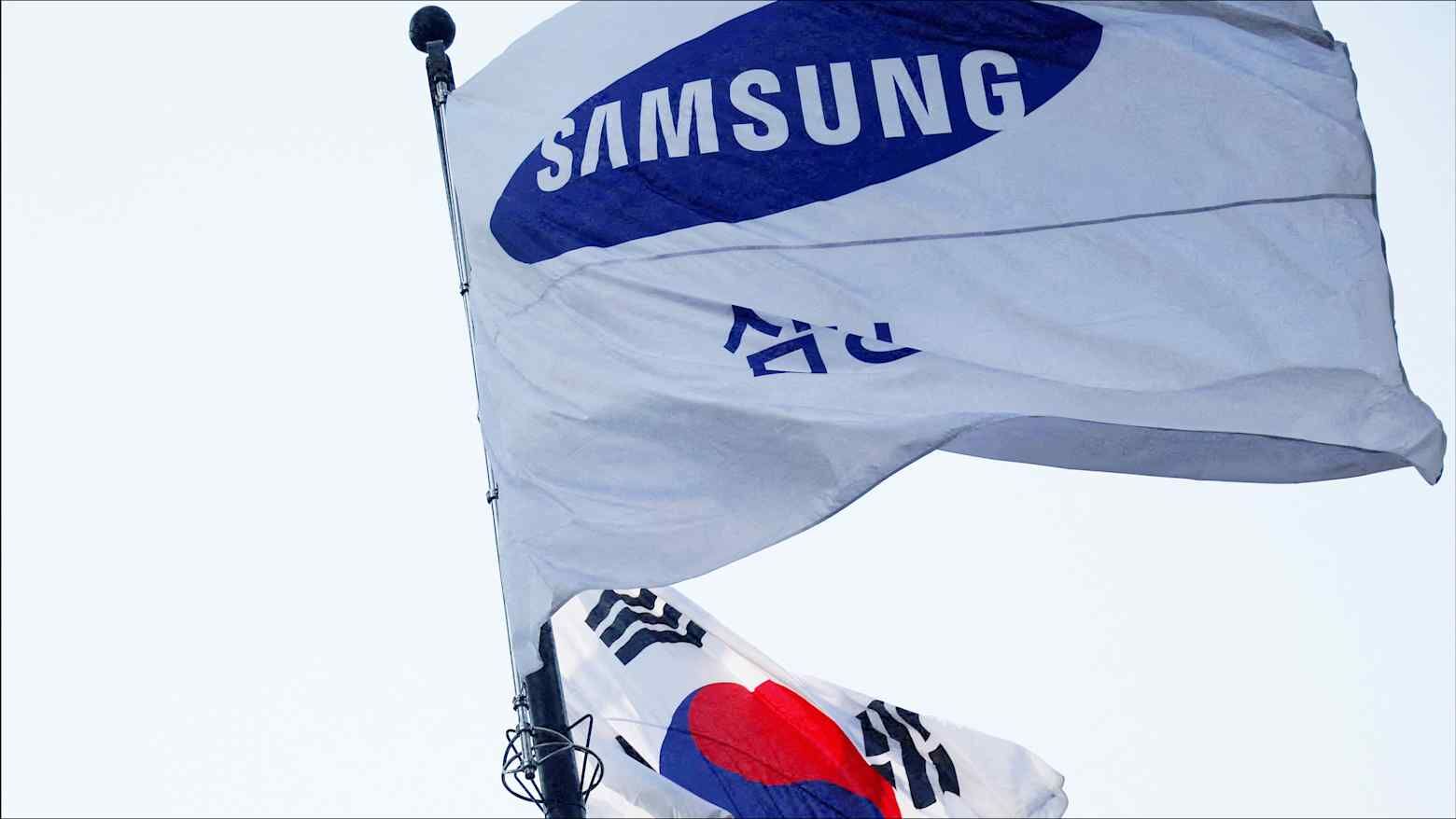

May 18, 2026 /SemiMedia/ — A South Korean court has largely sided with Samsung Electronics in a legal dispute over planned labor action, ordering the company’s semiconductor operations to maintain normal staffing and production levels during any strike activity.
The Suwon District Court ruled on May 18 that key facilities inside Samsung Electronics’ semiconductor plants, including disaster prevention, exhaust and wastewater systems, qualify as safety protection infrastructure and must continue operating without disruption.
The court also classified wafer-related processes as essential safety operations, requiring them to remain fully operational even during labor action. The ruling effectively obliges union members to maintain the same staffing, operating hours and maintenance standards normally applied on working days, weekends and holidays.
Industry observers said the decision significantly weakens the union’s ability to carry out a full-scale strike because semiconductor fabs rely on continuous operation to prevent wafer damage, equipment instability and production losses.
The court further barred union leaders from blocking worker access to facilities or installing lockout devices that could interfere with factory operations. Financial penalties were also imposed for violations of the order, including daily fines of 100 million won for unions and 10 million won for union leaders.
However, the court rejected Samsung Electronics’ request to prohibit union officials from encouraging or organizing strike participation, preserving the union’s legal right to conduct labor action.
Samsung Electronics’ union had planned an 18-day strike from May 21 to June 7, demanding changes to the company’s bonus structure. The union wants performance incentives to be linked to operating profit instead of economic value added (EVA), while also seeking a system that allocates 15% of operating profit as uncapped bonuses.
The dispute comes as Samsung Electronics remains under pressure to stabilize its semiconductor business amid intensifying competition in memory chips and AI-related semiconductors.
Labor and management resumed negotiations on May 18 through mediation organized by South Korea’s National Labor Relations Commission. Meanwhile, South Korean President Lee Jae-myung publicly stated that both workers’ rights and corporate management rights must be equally respected under the country’s constitutional framework.



All Comments (0)