
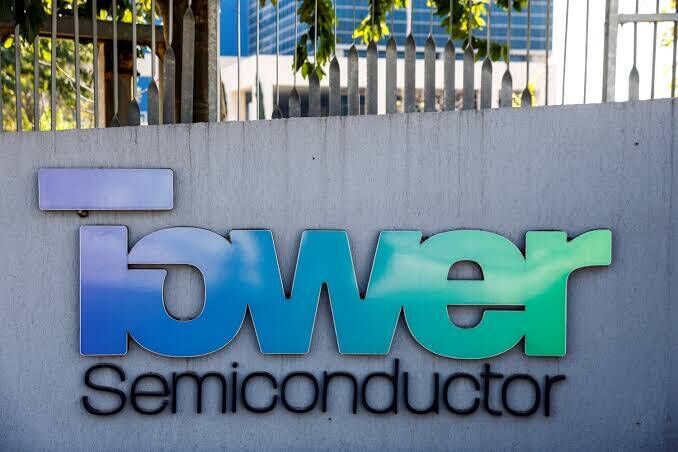

July 15, 2026 /SemiMedia/ — Tower Semiconductor said it will invest $3 billion to strengthen its chip manufacturing operations in Japan, including $1 billion in support from the Japanese government.
The investment is aimed at expanding production of silicon photonics and silicon germanium technologies as demand grows from artificial intelligence and data center applications.
Tower’s U.S.-listed shares rose more than 18% in premarket trading after the announcement. Investors expect the move to help the company capture more demand from the AI data center supply chain.
Silicon photonics uses light to transmit data between chips and systems, enabling faster data movement between AI processors. Silicon germanium technology can be used to manufacture faster and more power-efficient semiconductor devices for high-speed communications, radio frequency and data center applications.
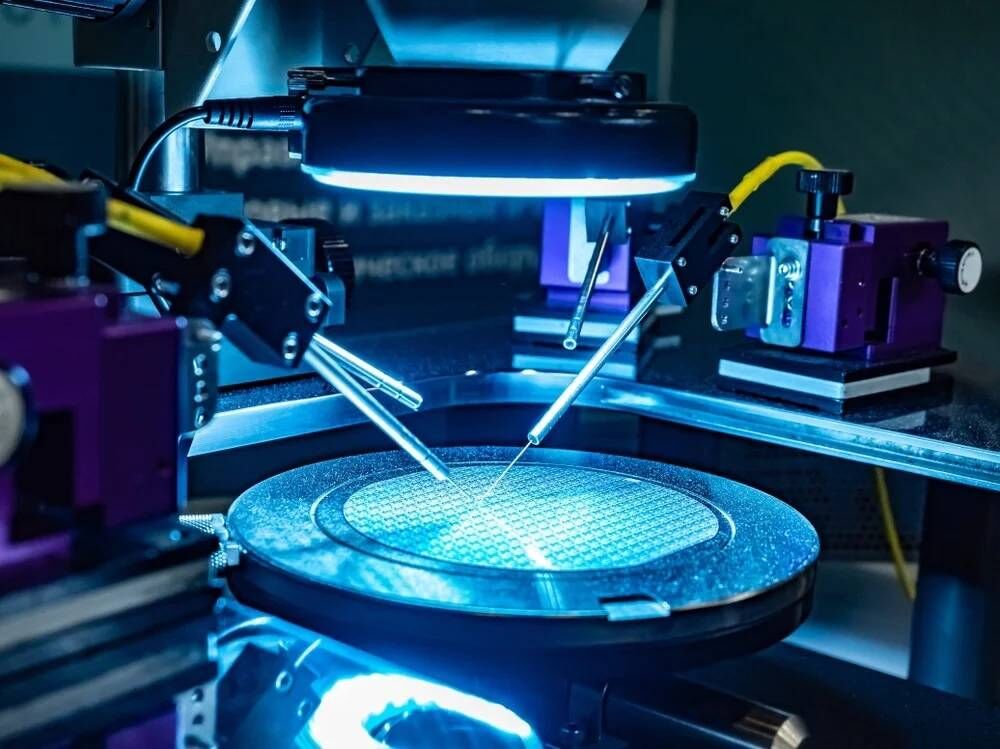
The expansion will take place in two phases. In the first phase, Tower will convert its Arai facility in Japan, formerly Fab 6, into a 300 mm silicon photonics device production line. The line is expected to reach full production in the fourth quarter of 2027.
After the initial capacity expansion, Tower expects 2028 revenue to reach $3.6 billion and net income to reach $1.2 billion. The new forecast is above the company’s previous expectation of $2.8 billion in revenue and $750 million in net income.
Tower said the second phase will begin in parallel with the first phase. The company plans to build a new 300 mm photonic device production line next to its existing Fab 7 facility.
Tower Chief Executive Officer Russell Ellwanger said the company expects the second phase to provide the foundation for continued growth beyond 2028.
Industry analysts said the investment reflects rising demand for high-speed interconnects, optical communications and specialty process technologies in AI data centers. As data traffic inside and between AI servers increases, traditional electrical interconnects face greater limits in bandwidth, power consumption and latency. Silicon photonics is becoming an important technology for addressing these bottlenecks.
Unlike foundries focused mainly on leading-edge logic nodes, Tower specializes in analog, RF, silicon germanium, power management, image sensors and silicon photonics. As AI infrastructure expands, specialty-process chips are becoming more important in networking, optical modules, RF communications and power management.
Japan’s $1 billion support also shows the government’s effort to strengthen the country’s advanced semiconductor manufacturing ecosystem. By supporting Tower’s 300 mm silicon photonics expansion, Japan can improve its position in the AI data center and high-speed communications supply chain.



All Comments (0)