
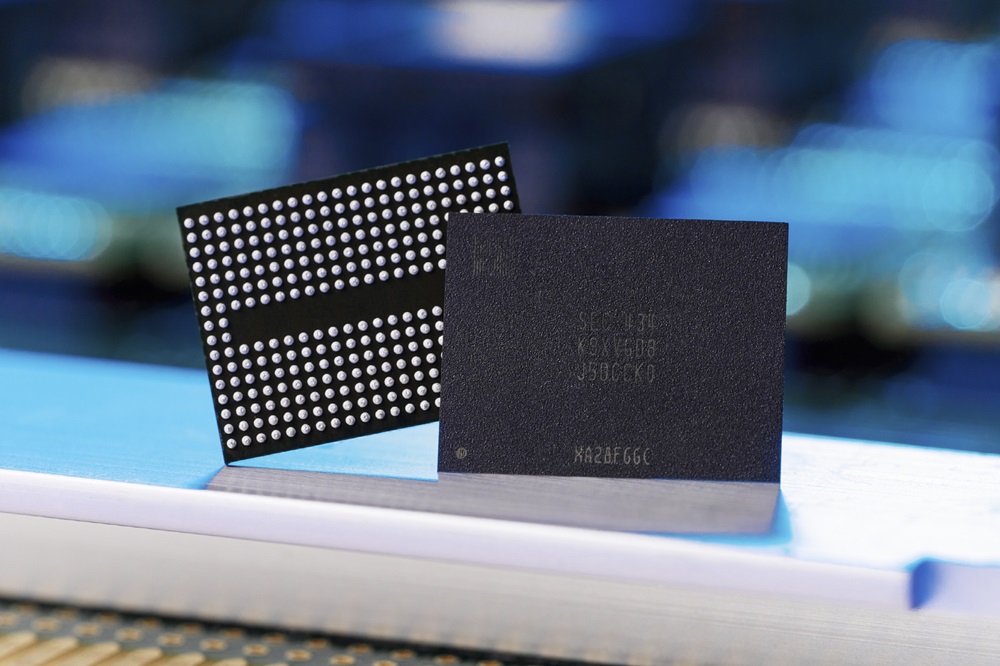

May 26, 2026 /SemiMedia/ — Global NAND Flash suppliers posted sharp revenue growth in the first quarter of 2026 as AI server demand accelerated Enterprise SSD adoption and continued HDD shortages redirected orders toward high-capacity QLC SSD products, according to TrendForce.
The research firm said hyperscale cloud service providers continued expanding purchases of Enterprise SSDs to support AI infrastructure requiring higher bandwidth and larger storage capacity. Strong server demand and favorable pricing conditions pushed NAND Flash average selling prices above market expectations.
Combined first-quarter revenue for the world’s top five NAND Flash suppliers increased 83.7% sequentially to more than $38.9 billion.
TrendForce said supply-demand imbalance in the NAND Flash market is expected to continue into the second quarter. Although higher memory prices and rising device costs have weakened smartphone and PC demand, server-related orders are expected to offset softness in consumer electronics markets.
Samsung Electronics remained the market leader with first-quarter NAND Flash revenue reaching $13.51 billion, up 104.7% sequentially. Its market share increased from 28% to 31.6%, driven by stronger server bit shipments and rising ASPs.
SK hynix Group, including Solidigm, ranked second with revenue of approximately $7.53 billion, up 44.6% from the previous quarter. TrendForce noted that Solidigm continued benefiting from strong demand for high-capacity QLC Enterprise SSDs.
Kioxia maintained third place with revenue climbing 80% sequentially to $5.96 billion as tighter supply conditions supported NAND pricing and profitability.
Micron and SanDisk tied for fourth place with quarterly NAND Flash revenue of $5.95 billion each, both recording 96.7% sequential growth. SanDisk’s data center business reportedly expanded more than 200% quarter-over-quarter as the company shifted its product mix toward higher-value enterprise storage applications.
TrendForce added that major NAND Flash suppliers are expected to add little new capacity in 2026, while AI-related demand continues to strengthen. As a result, the market is likely to remain supply constrained throughout the year.
The research firm also expects NAND products with more than 200 layers to become the mainstream market standard by the end of 2026, with production capacity increasingly prioritized for AI server and enterprise storage applications.




All Comments (0)